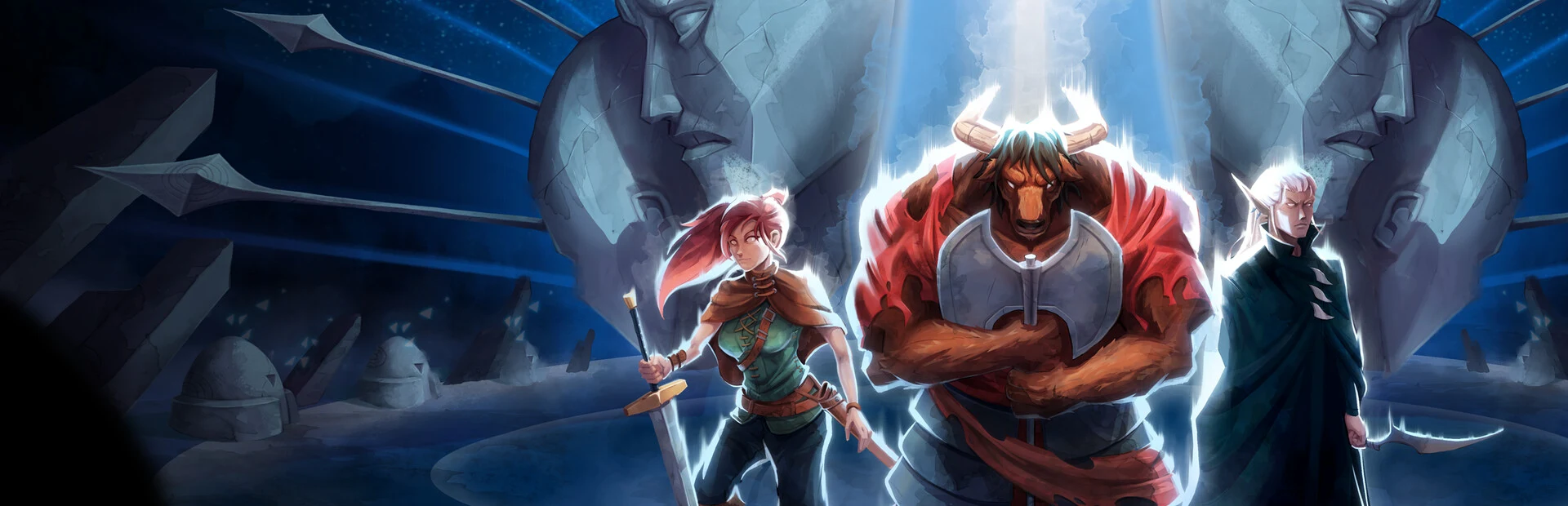
- Dimraeth souls like: The game shares several action-RPG combat traits, but its official positioning is a cooperative fantasy RPG.
- Combat identity: Dodging, blocking, parrying, stamina control, and attack timing form the core defensive loop.
- Main difference: Up to eight-player co-op, crafting, farming, quests, and stronghold development broaden the experience beyond boss-focused combat.
- Best expectation: Approach Dimraeth as a flexible action fantasy RPG with soulslike-inspired mechanics rather than a confirmed genre label.
Is Dimraeth a Soulslike?
Dimraeth souls like is a useful search phrase because the game combines deliberate action combat with character builds, exploration, and dangerous encounters. However, the available official description presents Dimraeth as a handcrafted pixel-art fantasy RPG for solo play or cooperative groups of up to eight players. It does not formally define the game as a soulslike.
The comparison comes from its combat direction. Players are expected to manage stamina, read enemy attacks, dodge, block, parry, and punish openings instead of attacking without restraint. Those mechanics create a familiar action-RPG rhythm, especially when facing stronger enemies. Still, the broader progression loop includes crafting, farming, cooking, settlement development, quests, and multiplayer world progression.
| Feature | Dimraeth direction | Soulslike comparison |
|---|---|---|
| Combat | Timing-based action combat | Strong overlap |
| Stamina | Important for attacks and defense | Common overlap |
| Dodging | Used to avoid damage and reposition | Common overlap |
| Blocking | Defensive response to enemy pressure | Common overlap |
| Parrying | Timing-focused defensive technique | Strong overlap |
| Co-op | Supports 1–8 players | Less typical of classic entries |
| Crafting | Equipment, potions, food, and facilities | Broader RPG focus |
| Stronghold | Base and settlement development | Major difference |
| Genre label | Cooperative fantasy RPG | Not officially confirmed as soulslike |
Use “soulslike-inspired combat” when describing Dimraeth. This communicates the mechanical similarities without presenting an unconfirmed genre label as official fact.
The most accurate summary is that Dimraeth appears to borrow selected soulslike combat ideas while building them into a wider cooperative RPG. Players who enjoy careful attack timing may find familiar elements, while players looking for crafting and shared progression will encounter systems that sit outside the traditional soulslike formula.
Combat Systems That Create the Comparison
Dimraeth’s combat comparison depends less on a specific difficulty claim and more on how players are expected to respond to enemy behavior. The combat guide structure emphasizes stamina preservation, attack warnings, defensive timing, and short punish windows. This creates a methodical loop: observe, defend, identify an opening, attack, and prepare for the next threat.
Stamina Control
Stamina supports both offense and defense. Avoid spending the entire bar on attacks because the next dodge, block, or parry may be more important than one extra hit.
Defensive Timing
Dodging, blocking, and parrying serve different purposes. Choose the response that matches the enemy animation, available space, and your remaining resources.
Punish Windows
Attack after an enemy finishes a committed action. Short, controlled sequences are safer than extended combos when the pattern is unfamiliar.
The combat model supports several playstyles. A melee character can fight near the frontline and rely on defensive timing. A spellcaster can create distance and use abilities during safe openings. A tank-oriented build can focus on survivability and pressure management, while damage-focused characters trade some defensive flexibility for stronger offense.
| Combat action | Primary purpose | Recommended use |
|---|---|---|
| Attack | Apply damage during an opening | Use short sequences until the enemy pattern is understood |
| Dodge | Avoid damage and reposition | Preserve stamina and move toward a safer angle |
| Block | Provide a consistent defensive response | Use while learning unfamiliar attacks |
| Parry | Counter predictable attacks through timing | Practice against repeatable animations |
| Reposition | Control distance and threat direction | Create room for melee recovery or spellcasting |
| Spellcast | Add ranged damage or utility | Cast when distance and enemy timing allow it |
Watch Before Committing
Begin an unfamiliar encounter by observing movement, attack warnings, delays, and recovery animations. Learning the pattern is more valuable than immediately maximizing damage.
Reserve Defensive Stamina
Leave enough stamina for the next defensive action. An empty stamina bar can turn a successful attack sequence into an avoidable hit.
Select the Right Defense
Dodge when you need space or a new angle, block when you want consistency, and attempt a parry only after the attack timing becomes readable.
Punish the Recovery
Attack after the enemy completes its sequence. Use a limited number of strikes, then return to a defensive posture.
Increase Aggression Gradually
Once the pattern is familiar, extend your attack windows or add spells. Keep enough resources available to respond when the enemy changes rhythm.
Do not treat every encounter like a damage race. Continuous attacking can exhaust stamina and leave your character unable to respond to the enemy’s next action.
This approach is why the soulslike comparison feels reasonable. Dimraeth’s combat rewards awareness and controlled reactions, but its final identity also depends on how these mechanics interact with character progression, equipment, and cooperative roles.
Dimraeth Compared With Traditional Soulslikes
Dimraeth differs most clearly from traditional single-player soulslikes through its multiplayer structure and settlement systems. The game supports solo play, but its world can also host groups of up to eight players. That scale changes how combat, gathering, quests, and progression can be organized.
A hosted world contains world-specific progress, while personal character development is associated with the individual character. This distinction matters in co-op. Players should understand which activities belong to the shared save and which elements follow their character before beginning a long campaign with friends.
| Category | Dimraeth | Traditional soulslike expectation |
|---|---|---|
| Party size | Solo or up to eight players | Usually solo-first, with limited multiplayer |
| World structure | Shared hosted world | Often individual campaign world |
| Character roles | Melee, magic, tank, damage, support, hybrid | Commonly centered on one controllable character |
| Progression | Attributes, skills, equipment, spells, crafting | Usually combat and equipment focused |
| Settlement | Stronghold, facilities, farming, quarry, storage | Generally absent or limited |
| Questing | Main and side objectives support exploration | Often more opaque or exploration-led |
| Resource loop | Gather, process, craft, build, and reinvest | Usually secondary to combat progression |
| Cooperative tactics | Party roles and shared infrastructure | Less central in many classic examples |
Solo Adventurer
Focus on a balanced build with reliable defense, focused attributes, dependable equipment, and enough utility to handle varied encounters without party support.
Frontline Tank
Prioritize survivability, blocking, stamina management, and enemy pressure control. This role becomes especially valuable when a group needs a durable anchor.
Spellcaster
Use distance, spell selection, and positioning to create pressure without remaining in close-range danger for every exchange.
Support Specialist
Build around cooperative utility and survivability. Support value increases when teammates can actively benefit from the role’s abilities and positioning.
The multiplayer structure is one of Dimraeth’s clearest differences from the usual soulslike template. Coordinate combat roles, storage, crafting facilities, and major objectives around the hosted world.
For players deciding whether to try Dimraeth, the key question is not whether it meets every genre convention. Instead, ask whether you want deliberate action combat combined with a persistent fantasy RPG loop. The answer is likely yes for players who enjoy defensive timing but also want building, crafting, and group exploration.
Progression, Crafting, and Stronghold Systems
A soulslike comparison can overlook the systems that make Dimraeth broader than a combat-only action RPG. Character growth includes race, class, Archetype, attributes, skills, spells, weapons, armor, rarity, and equipment upgrades. Outside combat, players gather materials, create supplies, develop facilities, and improve a shared settlement.
This progression loop gives players several reasons to explore. Quests provide structure, while gathering and discovery support equipment and base development. A stronghold is not merely an optional decoration project; it functions as a central point for crafting, storage, farming, cooking, and longer expeditions.
| System | What it supports | Early priority |
|---|---|---|
| Character creation | Race, class, Archetype, and role selection | Choose a focused playstyle |
| Attributes | Combat performance and requirements | Support the main weapon or spell direction |
| Skill tree | Long-term combat and utility growth | Invest in one coherent path first |
| Equipment | Weapons, armor, rarity, and build synergy | Replace weak gear with role-appropriate upgrades |
| Resource gathering | Crafting, construction, and consumables | Gather during quests and exploration |
| Crafting facilities | Equipment and material production | Build essential stations before optional expansion |
| Potion crafting | Combat preparation and survival | Prepare before difficult expeditions |
| Cooking | Food supply for continued adventuring | Keep a reserve for longer sessions |
| Farming | Repeatable ingredient production | Add after core infrastructure is stable |
| Quarry | Recurring construction materials | Develop as settlement needs increase |
| Stronghold upgrades | Better access to production systems | Expand according to the build’s resource demands |
Core Progression Checklist:
- Choose a race, class, and Archetype around one clear combat role
- Practice stamina management, dodging, blocking, and attack timing
- Allocate attributes toward the weapons or spells you actually use
- Build essential crafting facilities before spending heavily on decoration
- Organize shared storage and production when playing co-op
The most stable early route is focused character creation, defensive combat practice, dependable equipment, nearby questing, and essential stronghold infrastructure.
The result is a progression structure with more flexibility than a narrow boss-run format. Players can improve through combat, exploration, crafting, equipment management, and settlement development. That variety makes the game approachable to action-RPG fans who like measured combat but do not want every advancement system to revolve around defeating bosses.
Who Should Play Dimraeth?
Dimraeth is a strong match for players who want a cooperative fantasy RPG with deliberate combat mechanics and a practical progression loop. The game’s planned Early Access launch is scheduled for September 15, 2026, so systems and balance may continue changing as development progresses. Build advice should therefore be treated as a current starting point rather than a permanent meta verdict.
Players interested in the game should begin with the official Dimraeth website and the official Steam store page. For announcements, development discussion, and community coordination, use the official Steam community and Dimraeth Discord.
| Player preference | Fit with Dimraeth | Recommended starting approach |
|---|---|---|
| Deliberate action combat | Strong | Practice defense before aggressive combos |
| Solo exploration | Supported | Choose a balanced and forgiving build |
| Large-group co-op | Strong | Divide frontline, damage, magic, and support roles |
| Crafting and gathering | Strong | Build a repeatable resource and storage loop |
| Base development | Strong | Prioritize essential facilities and production |
| Pure boss-focused gameplay | Unclear | Expect substantial RPG and settlement systems |
| Highly specialized builds | Supported | Understand attributes and equipment requirements first |
| Casual experimentation | Supported with planning | Avoid spreading early progression too broadly |
Treat Dimraeth as an action-focused cooperative RPG first. The soulslike comparison helps explain its combat rhythm, but crafting, quests, co-op, and stronghold progression are equally important.
A practical first character should use a clear role, focused attributes, and equipment that supports the same combat plan. Balanced melee is a reliable learning direction because it teaches attack timing, stamina control, blocking, dodging, and positioning without requiring a complex party composition. Spellcaster and support paths become more attractive as players gain confidence with distance management and cooperative coordination.
Dimraeth Soulslike FAQ
Q: Is Dimraeth officially a soulslike?
The available information presents Dimraeth as a cooperative fantasy RPG rather than officially confirming the soulslike label. Its stamina management, dodging, blocking, parrying, and attack timing create clear similarities.
Q: What makes Dimraeth different from a traditional soulslike?
Dimraeth supports solo play and co-op for up to eight players, while also including crafting, farming, cooking, quests, resource gathering, stronghold development, and shared world progression.
Q: Which Dimraeth build is easiest to learn?
A balanced melee build is a practical starting point because it teaches core defensive mechanics directly. Focused spellcaster, tank, damage, support, and hybrid builds can follow once the progression systems are familiar.
Q: When is Dimraeth planned for Early Access?
Dimraeth is planned to enter Steam Early Access on September 15, 2026. Because development continues, combat balance, progression, and available systems may change through updates.
Review official announcements before relying on detailed build rankings or system assumptions. Early Access development can change combat balance, progression options, and multiplayer features.