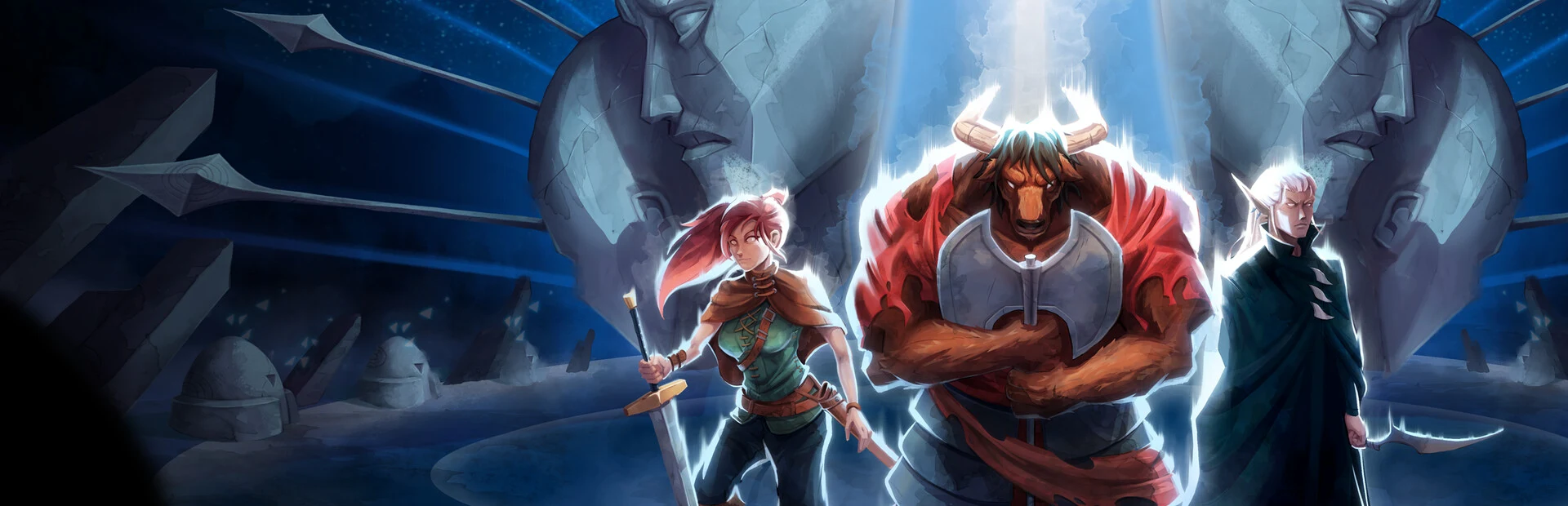
- Dimraeth open world rpg combines exploration, action combat, crafting, quests, and settlement growth.
- Character creation begins with a race, class, and Archetype that should support one clear combat role.
- Combat fundamentals include stamina control, dodging, blocking, parrying, and attacking during safe openings.
- Co-op progression works best when the party separates character development from shared world development.
- Early Access timing: Dimraeth is planned to enter Steam Early Access on September 15, 2026.
Dimraeth Open World RPG: Core Progression
Dimraeth open world rpg gameplay is built around a repeating progression loop: create a focused character, explore the handcrafted pixel-art world, fight enemies, collect resources, complete quests, improve equipment, and expand a stronghold. The game supports solo play and cooperative groups of up to eight players, so the best opening priorities depend on whether you are developing one character or coordinating a party.
The official Dimraeth website presents the game as a fantasy RPG with races, classes, elemental combat, crafting, stronghold development, and character progression. Its planned Steam Early Access date is September 15, 2026, so balance, progression details, and available content may continue to change.
| System | Main purpose | Early priority |
|---|---|---|
| Character creation | Defines race, class, Archetype, and combat direction | Choose one clear role |
| Exploration | Provides quests, resources, equipment, and combat practice | Explore near objectives |
| Combat | Converts timing and positioning into safe progress | Preserve stamina |
| Crafting | Turns gathered materials into useful items | Build essential stations |
| Stronghold | Supports storage, production, farming, and upgrades | Establish core facilities |
| Co-op | Adds shared combat, gathering, and construction | Assign party roles |
Focused Character
Choose attributes, skills, equipment, and spells that reinforce the same role instead of spreading early investment across unrelated options.
Defensive Combat
Learn to dodge, block, and parry before attempting difficult encounters. Stamina is needed for both offense and survival.
Growing Stronghold
Treat the base as a progression tool. Essential crafting, storage, farming, and resource facilities should come before decorative expansion.
For a first character, favor a straightforward melee, spellcaster, or tank direction. A focused build is easier to equip, easier to understand, and simpler to coordinate in multiplayer.
Character Builds and Combat Roles
Dimraeth offers 8 races and 6 classes, with additional build direction coming from Archetype choices, attributes, equipment, and skill development. The strongest starting choice is not automatically the highest-damage option. A reliable beginner setup should have a clear job, manageable resource demands, and enough defensive flexibility to survive unfamiliar enemies.
| Build direction | Primary role | Main strengths | Main caution |
|---|---|---|---|
| Melee | Close-range damage | Direct pressure, defensive timing, simple combat loop | Requires stamina and positioning |
| Spellcaster | Magic damage and utility | Ranged pressure, flexible ability use | Needs distance and spell planning |
| Tank | Front-line defense | Survivability, enemy pressure control, co-op value | May sacrifice offensive speed |
| Damage | High offensive pressure | Strong punish windows and faster finishes | Mistakes are more punishing |
| Support | Cooperative utility | Improves party stability and flexibility | Less effective without coordinated allies |
| Hybrid | Flexible mixed combat | Adaptable for solo experimentation | Broad investment can reduce efficiency |
Use the following priorities when shaping a build:
- Match attribute investment to the weapon, spell, or defensive system you actually use.
- Keep equipment aligned with your primary combat role.
- Avoid dividing early progression evenly between melee, magic, defense, and utility.
- In co-op, build a party with complementary responsibilities rather than identical damage setups.
- Reassess a hybrid build when it begins requiring too many unrelated attributes or equipment types.
Do not treat every available option as equally important. A character that invests in too many combat styles may become flexible, but can also lack the attributes, equipment, or stamina efficiency needed for difficult encounters.
The Dimraeth Steam store page is the best place to confirm current platform information, feature descriptions, and Early Access updates before committing to a long-term build plan.
Step-by-Step Combat Setup
Dimraeth combat rewards controlled decisions rather than constant attacking. Normal enemies are useful practice targets because they let you learn attack warnings, defensive timing, and stamina management before entering harder encounters.
Choose a Combat Identity
Decide whether your character is primarily melee, magic-focused, defensive, damage-oriented, or support-based. Select attributes and equipment that reinforce this identity from the beginning.
Protect Your Stamina
Keep enough stamina available for an emergency dodge, block, or reposition. Short attack sequences are usually safer than exhausting the entire resource bar.
Read the Enemy
Watch movement, attack warnings, and animation timing. React to the actual attack instead of dodging immediately when an enemy begins to move.
Choose the Right Defense
Use dodging to create space or reposition, blocking for a controlled response, and parrying when the attack timing is predictable enough to justify the risk.
Punish Safe Openings
Attack after an enemy completes a committed action. Use a limited sequence, then return to a defensive position before the next attack begins.
| Combat action | Best use | Common mistake |
|---|---|---|
| Attack | Punish a completed enemy action | Extending a combo into the next attack |
| Dodge | Avoid damage and improve positioning | Repeatedly dodging without stamina control |
| Block | Create a consistent defensive response | Holding block without tracking resources |
| Parry | Counter a familiar, predictable strike | Attempting every defense as a parry |
| Spell cast | Apply pressure from a safe distance | Casting while an enemy is already close |
| Reposition | Reset distance and control the fight | Moving without watching stamina or terrain |
Approach difficult enemies as pattern fights. Use the opening exchanges to identify delays, attack sequences, and safe punish windows before increasing aggression.
For spell-focused characters, positioning matters as much as spell selection. Create enough distance to cast safely, then return to defensive movement before the enemy closes the gap. For melee characters, blocking, dodging, and parrying should support a deliberate attack rhythm rather than replace stamina management.
Crafting and Stronghold Development
Crafting and stronghold building connect exploration with long-term progression. Gathered resources can support equipment, consumables, construction, farming, cooking, potion production, and facility upgrades. A stable base reduces the need to depend entirely on materials found during the next expedition.
| Development system | Function | Recommended timing |
|---|---|---|
| Resource gathering | Supplies raw materials for production and construction | Begin immediately |
| Basic crafting | Converts raw materials into usable items | Very early |
| Crafting facilities | Unlocks dedicated production functions | Early priority |
| Potion crafting | Supports preparation for difficult encounters | After basic stations |
| Cooking | Creates useful food from gathered or farmed ingredients | Early to mid progression |
| Farming | Provides a repeatable ingredient source | After core facilities |
| Quarry | Supports recurring construction materials | As expansion grows |
| Storage | Keeps materials organized for shared use | Build before clutter grows |
| Home upgrades | Expands access to settlement systems | After essential production |
Stronghold Priorities:
- Gather basic construction and crafting materials during nearby exploration
- Build essential crafting and storage facilities before decorative structures
- Create reliable food and potion supplies for longer expeditions
- Develop farming or quarry infrastructure when recurring resource demands increase
- Organize shared materials clearly when playing with a co-op group
The most useful stronghold connects gathering, storage, processing, crafting, and exploration. Upgrade the facilities that support the resources your current build consumes most.
A practical development loop looks like this:
- Explore while progressing nearby quests.
- Gather materials instead of ignoring resource nodes.
- Return to the stronghold and sort materials into shared storage.
- Craft equipment, food, potions, or construction supplies.
- Reinvest surplus resources into facilities that improve the next expedition.
This approach keeps construction tied to character progression and prevents the base from becoming a separate project with no connection to combat or exploration.
Solo and Co-op Progression
Dimraeth supports 1–8 player cooperative play. Multiplayer groups should distinguish between character progression and world progression. Personal attributes, combat development, and equipped gear are important to the individual character, while settlement structures, world changes, and hosted-save progress are associated with the shared world.
| Multiplayer area | Practical approach |
|---|---|
| Character roles | Mix frontline, damage, spell, ranged, and support responsibilities |
| World hosting | Treat the host save as the central shared progression space |
| Resources | Use organized storage instead of scattering materials across inventories |
| Quests | Coordinate before major objectives to keep the group aligned |
| Base building | Centralize crafting, farming, cooking, and production facilities |
| Combat | Let durable characters control pressure while others use safer positions |
| Exploration | Group nearby objectives to reduce repeated travel and duplicated work |
A balanced party can divide responsibilities in several ways:
- Frontline players manage pressure, block attacks, and create openings.
- Damage players focus on punish windows and avoid unnecessary exposure.
- Spellcasters and ranged characters maintain distance and apply pressure from safer positions.
- Support characters improve group stability and cover weaknesses.
- Gathering-focused players keep the stronghold supplied during longer campaigns.
Before completing a major objective or changing a shared settlement, confirm that the group is using the intended hosted world. World-specific progress remains connected to that save, while character development is tied more closely to the individual character.
For solo play, balanced melee and spellcaster directions offer clear learning paths because they can handle exploration without depending on another role. For co-op, specialization becomes more valuable because teammates can cover the weaknesses of a focused build.
The Dimraeth Steam Community can help players follow multiplayer discussions, development announcements, and community questions as the Early Access launch approaches.
Beginner Checklist and FAQ
The first major goal is not to maximize every system immediately. Establish a dependable character, learn the combat loop, secure basic equipment, and create a stronghold that supports future exploration.
First Campaign Milestones:
- Choose a race, class, and Archetype with one clear combat role
- Practice attacking, dodging, blocking, and stamina control against regular enemies
- Complete nearby quests while collecting equipment and crafting materials
- Create organized storage and establish essential stronghold facilities
- Coordinate roles, resources, and world ownership before starting a co-op campaign
When your character has a focused role, dependable equipment, defensive timing, and a functional base, begin expanding into harder areas and more specialized builds.
Q: What is Dimraeth open world rpg focused on?
Dimraeth focuses on fantasy exploration, action combat, character progression, crafting, quests, elemental systems, stronghold development, and solo or cooperative play.
Q: How many players can play Dimraeth together?
Dimraeth is planned to support cooperative groups of up to eight players, allowing parties to explore, fight, gather resources, complete objectives, and develop a shared settlement.
Q: Which build is best for a new player?
A focused melee, spellcaster, or tank direction is a practical starting point. The best choice depends on whether you prefer direct combat, ranged ability use, or stronger defensive control.
Q: When is Dimraeth planned to enter Early Access?
Dimraeth is planned to enter Steam Early Access on September 15, 2026. Features, balance, and progression details may change during development.