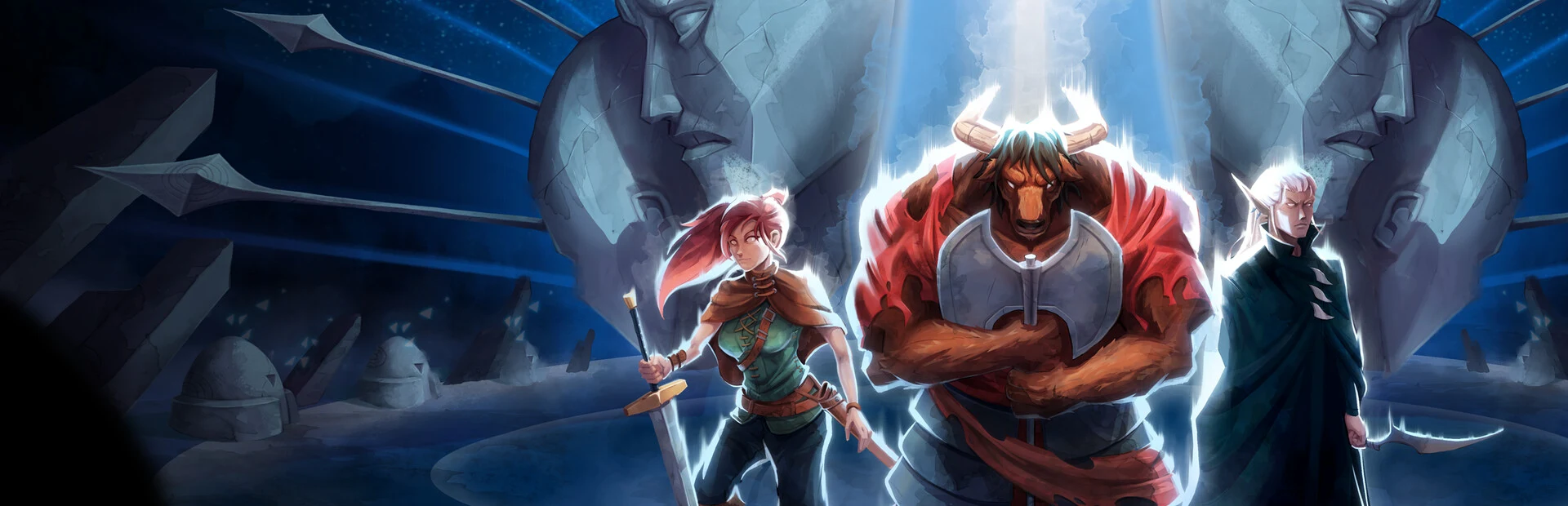
- Dimraeth gameplay centers on character growth, action combat, exploration, crafting, and stronghold development.
- New players should choose a focused role before investing heavily in attributes, skills, or equipment.
- Combat basics include stamina control, dodging, blocking, parrying, and attacking during safe openings.
- Co-op groups can support up to eight players and benefit from clear frontline, damage, and utility roles.
- Early Access timing is planned for September 15, 2026, so mechanics may change during development.
Dimraeth Gameplay Overview
Dimraeth gameplay combines a handcrafted pixel-art fantasy world with character progression, exploration, action combat, crafting, and stronghold building. The game is designed for solo play or cooperative groups of up to eight players. A reliable progression loop is to create a focused character, learn defensive timing, gather resources, improve equipment, complete objectives, and expand a useful base.
As of September 7, 2026, Dimraeth is planned to enter Steam Early Access on September 15, 2026. Treat detailed balance rankings and exact system values as subject to change while development continues. The official Dimraeth website and Steam store page are the best places to check current announcements.
| Gameplay System | Main Function | Early Priority |
|---|---|---|
| Character creation | Combines race, class, Archetype, and playstyle | Choose one clear role |
| Combat | Uses attacks, stamina, dodges, blocks, and parries | Learn enemy timing |
| Exploration | Provides quests, resources, gear, and progression | Explore near objectives |
| Crafting | Converts materials into equipment and supplies | Build core stations |
| Stronghold | Supports storage, production, farming, and upgrades | Secure useful facilities |
| Co-op | Connects up to eight players in a shared world | Coordinate roles and resources |
Focused Character
Choose melee, magic, defense, damage, support, or a controlled hybrid direction.
Defensive Combat
Preserve stamina and respond to enemy attacks instead of attacking continuously.
Sustainable Progression
Link exploration, gathering, crafting, equipment upgrades, and stronghold development.
Build around one main combat role first. Flexibility becomes more useful after you understand attributes, equipment requirements, and defensive timing.
Step-by-Step Combat and Character Setup
Use the following sequence when starting a new character. It keeps early decisions understandable and reduces the risk of spreading attributes or equipment across unrelated mechanics.
Choose a Clear Role
Decide whether your character will emphasize close-range damage, spellcasting, durability, offensive pressure, support, or a limited hybrid approach. In co-op, check that the party is not duplicating the same role unnecessarily.
Practice Defensive Timing
Fight normal enemies while learning stamina management, dodging, blocking, and parrying. Keep enough stamina available for the next defensive action instead of spending the entire bar on attacks.
Spend Attributes With Purpose
Prioritize attributes that support your selected weapons, spells, abilities, or defensive tools. Avoid dividing early points evenly when your character has one obvious combat plan.
Replace Weak Equipment
Compare new equipment by its usefulness to your active build. Damage, defense, requirements, rarity, and upgrade potential all matter more than simply choosing the newest item.
Attack During Openings
Watch enemy movement and warnings, defend through committed attacks, then answer with a short controlled sequence. Increase aggression after you recognize the encounter pattern.
| Combat Action | Best Use | Common Mistake |
|---|---|---|
| Attack | Punish a completed enemy action | Continuing after the next warning |
| Dodge | Avoid damage and reposition | Dodging repeatedly without stamina |
| Block | Create a consistent response while learning | Holding defense without resource awareness |
| Parry | Counter predictable attacks with precise timing | Attempting every defense as a parry |
| Spell cast | Apply ranged or magical pressure | Casting while close-range pressure is active |
An empty stamina reserve can remove your safest defensive options. Use shorter attack strings until enemy timing becomes familiar.
Build Directions for Solo and Co-op
Dimraeth supports several broad build directions. These are practical roles rather than permanent rankings, and their value depends on player skill, equipment access, encounter design, and party composition.
| Build Direction | Strength | Main Priority | Best Fit |
|---|---|---|---|
| Melee | Reliable close-range pressure | Weapon damage, stamina, defense | Players learning physical combat |
| Spellcaster | Ranged or ability-based pressure | Spell access, positioning, magic support | Players who prefer distance |
| Tank | Survivability and enemy control | Defensive attributes and equipment | Co-op frontliners |
| Damage | High offensive pressure | Damage attributes and attack windows | Players comfortable avoiding hits |
| Support | Group utility and stability | Support abilities and survivability | Coordinated multiplayer |
| Hybrid | Flexible tools | Complementary investments only | Experienced players testing options |
Solo Recommendation
A balanced melee or spellcaster direction offers clear damage options while retaining room to recover from mistakes.
Frontline Co-op
Tank-oriented characters can manage pressure and create safer attack windows for teammates.
Team Utility
Support characters become more valuable when the group communicates and benefits from coordinated positioning.
In multiplayer, separate personal character progression from world progression. The character carries individual development such as attributes and equipment, while the hosted world contains shared structures, settlement changes, and world-specific progress. Store important materials and crafting infrastructure in the common stronghold so the group can continue its campaign efficiently.
A balanced party does not require every role to be perfectly specialized. It does require enough durability, damage, and utility to handle exploration and difficult encounters together.
Crafting, Stronghold, and Progression Priorities
Crafting and stronghold development turn exploration materials into a repeatable progression system. Start with essential production, then add renewable resources and convenience upgrades as the settlement grows.
| System | Purpose | Recommended Timing |
|---|---|---|
| Resource gathering | Supplies crafting, construction, and consumables | Throughout every expedition |
| Basic crafting | Converts raw materials into useful items | Very early |
| Crafting facilities | Unlocks dedicated production functions | Before decorative expansion |
| Potion crafting | Prepares combat and survival supplies | Before difficult areas |
| Cooking | Produces food for longer adventures | After basic supplies |
| Farming | Creates a repeatable ingredient source | Once core stations work |
| Quarry | Supports recurring construction materials | During base expansion |
| Storage | Keeps shared resources organized | As soon as the base grows |
Early Progression Checklist
- Choose a focused race, class, and Archetype direction
- Practice stamina management against normal enemies
- Upgrade equipment that supports the active combat role
- Build essential crafting and storage infrastructure
- Coordinate shared resources before expanding the stronghold
A useful resource loop is simple: explore, gather, return to the stronghold, process materials, craft supplies or equipment, and reinvest surplus resources into production. In co-op, assign gathering, construction, combat, and storage responsibilities so players do not repeat the same work.
Use the official Steam community hub for current announcements and player discussions. Because Dimraeth is approaching Early Access in 2026, confirm major crafting, balance, and multiplayer details against the latest update before treating them as fixed rules.
Functional stations, reliable storage, and combat supplies usually provide more immediate value than expanding the stronghold for appearance alone.
Gameplay Goals and FAQ
The strongest general approach is to connect combat decisions with long-term progression. A focused build makes equipment choices easier, defensive practice improves exploration safety, and a stable stronghold reduces preparation time for future objectives.
| Goal | Practical Method | Success Signal |
|---|---|---|
| Improve combat | Practice one enemy pattern at a time | Fewer panic dodges |
| Strengthen a build | Match attributes, gear, and abilities | Clear role identity |
| Prepare for bosses | Observe first, punish later | Controlled stamina use |
| Support co-op | Divide roles and shared resources | Less duplicated effort |
| Expand the base | Prioritize production before decoration | Reliable supply loop |
Do not rush advanced specialization before your basic combat loop works. Consistent defense and focused equipment provide a stronger foundation for experimentation.
Q: What is the main Dimraeth gameplay loop?
Create a focused character, explore the world, fight enemies, complete objectives, gather resources, improve equipment, and develop a stronghold.
Q: Can Dimraeth be played solo?
Yes. Dimraeth is designed for solo play as well as cooperative worlds supporting up to eight players.
Q: What should new players practice first?
Start with stamina management, enemy attack recognition, dodging, blocking, and attacking during safe openings.
Q: Which build is best for beginners?
A balanced melee direction is a straightforward starting point, while a spellcaster can suit players who prefer distance. The best choice depends on your preferred combat style.