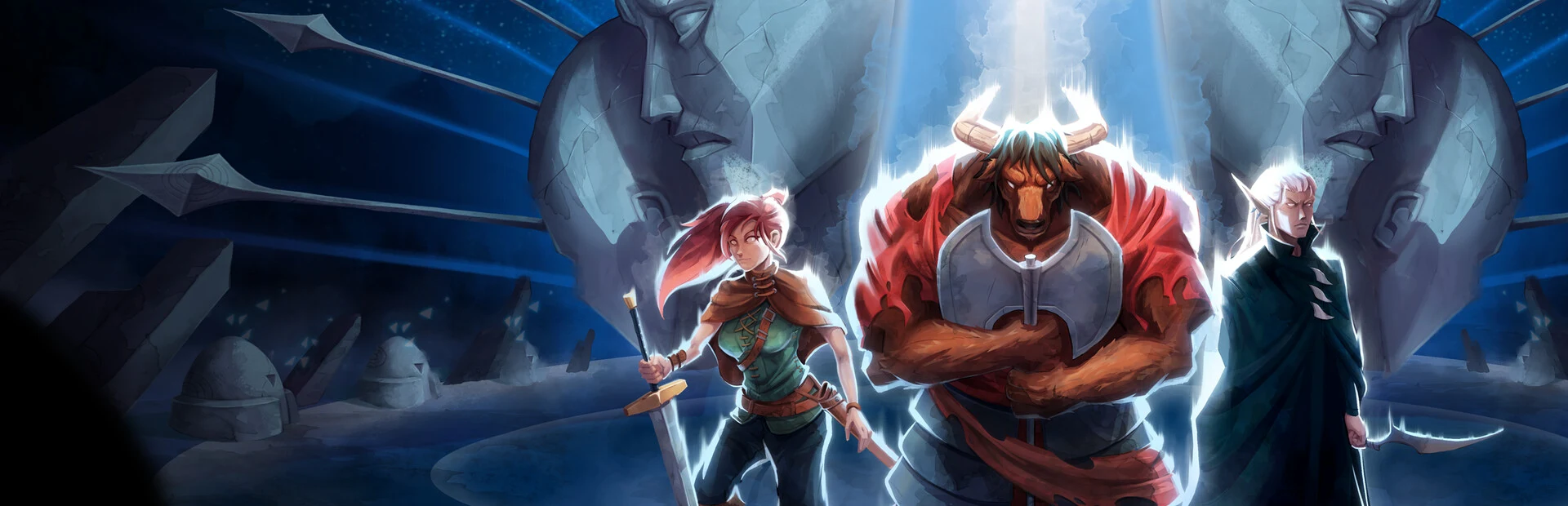
- Dimraeth review: A feature-focused look at the planned co-op fantasy RPG before Early Access.
- Core appeal: Pixel-art exploration, character builds, elemental combat, crafting, and settlement growth.
- Player scale: Solo play or cooperative worlds supporting up to eight players.
- Build variety: Eight races and six classes are currently presented as core character options.
- Release context: Early Access is planned for September 15, 2026, so final systems may change.
Dimraeth Review: What the Game Is Trying to Be
Dimraeth review coverage is best understood as a preview of the game's announced design rather than a final performance verdict. Developed by Mudtek, Dimraeth is presented as a handcrafted pixel-art fantasy RPG built around exploration, character progression, action combat, crafting, stronghold development, and cooperative play. The planned Early Access launch is scheduled for September 15, 2026, making the current evaluation especially useful for players deciding whether the concept matches their interests.
The game's strongest identity comes from combining several familiar RPG loops into one shared world. Players can create a character, choose from eight races and six classes, explore dangerous areas, collect resources, improve equipment, and expand a personal or cooperative base. That structure gives Dimraeth a broader scope than a purely combat-focused RPG, although it also means the quality of the final experience will depend on how well these systems connect.
| Review Area | Current Impression | Why It Matters |
|---|---|---|
| World design | Promising handcrafted pixel-art direction | Establishes a distinct visual identity |
| Character building | Broad on paper | Eight races and six classes support varied starting points |
| Combat | Skill-focused and timing-based | Dodging, blocking, parrying, stamina, and attack windows reward attention |
| Co-op | Strong central feature | Groups can play together in worlds supporting up to eight players |
| Crafting and building | Important progression layer | Resources can support equipment, consumables, facilities, and settlements |
| Early Access outlook | Still developing | Balance, content, and progression details may change after launch |
The official Dimraeth website emphasizes a fantasy world shaped by ancient forces, corruption, magic, and exploration. That setting supports the game's darker indigo-and-teal visual direction while giving the systems a clear thematic foundation. The concept should appeal to players who enjoy games where combat progression and base development reinforce each other.
Treat this article as a pre-release feature review. It evaluates the announced structure and design direction, not a final judgment based on completed Early Access content.
Exploration
Explore a handcrafted pixel-art fantasy world while searching for resources, equipment, enemies, and progression opportunities.
Character Builds
Combine races, classes, Archetypes, attributes, skills, spells, and equipment around a focused role.
Action Combat
Manage stamina, read enemy attacks, and choose between attacking, dodging, blocking, parrying, or repositioning.
Stronghold Growth
Turn gathered resources into crafting stations, farms, quarries, consumables, and settlement upgrades.
Combat, Classes, and Build Potential
Dimraeth's combat direction appears designed around deliberate action rather than constant attacks. The available guidance highlights stamina management, enemy attack warnings, dodging, blocking, parrying, and controlled punish windows. This creates a combat loop where defense is part of character strength instead of a reaction reserved only for boss encounters.
For new players, a balanced melee setup should provide a clear introduction to physical combat. Spellcasters can create distance and rely on ability sequencing, while tank, damage, support, and hybrid builds offer different priorities for solo and multiplayer play. These labels describe build directions rather than confirmed endgame rankings, so players should expect balance changes during development.
| Build Direction | Primary Role | Main Strength | Main Risk |
|---|---|---|---|
| Balanced Melee | Close-range damage | Clear combat loop and defensive practice | Must manage stamina near enemies |
| Spellcaster | Magic damage and control | Ranged pressure and flexible abilities | Positioning errors can be costly |
| Tank | Front-line defense | Strong group protection and survivability | May clear encounters more slowly |
| Damage | Maximum offense | High pressure during safe openings | Mistakes are less forgiving |
| Support | Cooperative utility | Improves party stability and flexibility | Less effective without coordinated allies |
| Hybrid | Flexible mixed role | Can respond to different situations | Spreading attributes can reduce efficiency |
A key strength of this structure is that it gives players several ways to interpret the same systems. A melee character can focus on durability or damage. A spellcaster can prioritize distance, utility, or elemental pressure. A cooperative group can divide responsibilities between front-line characters, damage dealers, ranged options, and support builds.
The main concern is system clarity. Six classes and eight races create useful variety only when their differences are meaningful and understandable. New players will need clear explanations of class roles, race traits, skill development, equipment requirements, and attribute priorities. If those connections are communicated well, Dimraeth could support experimentation without making early character decisions feel arbitrary.
| Combat Mechanic | Recommended Habit | Common Mistake |
|---|---|---|
| Stamina | Keep a reserve for defense | Spending the entire bar on attacks |
| Dodging | Use it to avoid damage and improve position | Dodging repeatedly without a plan |
| Blocking | Use it while learning unfamiliar patterns | Holding block without monitoring resources |
| Parrying | Practice against predictable attacks | Attempting every defense as a parry |
| Spellcasting | Create safe distance before casting | Starting abilities under close pressure |
| Punish windows | Attack after enemy sequences finish | Extending a combo into the next attack |
Avoid spreading early attributes across unrelated combat styles. A focused build should make equipment, skills, and combat decisions easier to evaluate.
Co-op Experience and Progression Structure
Cooperative play is one of Dimraeth's clearest selling points. The game is designed for solo play or groups of up to eight players, allowing parties to explore, fight, gather materials, complete objectives, and develop a shared settlement. That player scale is large enough to support organized roles without requiring every participant to use the same build.
The most important multiplayer distinction is between character progression and world progression. Individual characters are expected to carry personal development such as attributes, combat growth, and equipped gear. The hosted world, meanwhile, contains shared structures, settlement changes, and other save-specific progress. Understanding that separation will help groups decide who hosts and where major resources should be invested.
| Co-op Element | Practical Meaning | Recommended Approach |
|---|---|---|
| Player count | Up to eight players in one cooperative world | Assign clear roles before difficult expeditions |
| Character progression | Personal development follows the character | Keep each build focused on one primary role |
| World progression | Settlement and world changes belong to the hosted save | Choose a consistent host for long campaigns |
| Shared resources | Materials support group crafting and construction | Centralize storage in the main stronghold |
| Combat roles | Front line, damage, magic, and support can work together | Avoid building a party with identical strengths |
| Quests | Group objectives can advance shared progress | Coordinate before major objectives |
| Base development | Facilities benefit the entire party | Divide gathering and construction responsibilities |
A strong co-op loop could make the game's broader systems feel more purposeful. One player may gather materials while another develops the settlement, and a third prepares equipment or consumables. During combat, a durable character can control pressure while damage and support roles operate from safer positions.
However, the hosted-world structure also creates a responsibility issue. Groups should establish a primary save, organize storage, and agree on who manages important buildings. Without that coordination, resources and construction priorities may become fragmented. This is less a flaw in the concept than a natural management challenge for a game where survival, crafting, and settlement progression overlap.
Choose a Stable Host World
Select the world that will serve as the group's main campaign. Keep major structures, storage, and settlement upgrades concentrated there.
Assign Complementary Roles
Mix front-line defense, damage, spellcasting, ranged pressure, and support instead of giving every player the same combat job.
Centralize Resources
Store shared materials at the stronghold and decide which resources should be reserved for equipment, consumables, or construction.
Coordinate Major Objectives
Discuss quests and world-changing activities before completing them so the party stays aligned on progression.
Dimraeth has a promising multiplayer foundation because combat roles, resource gathering, crafting, and stronghold development can all contribute to the same shared campaign.
Crafting, Equipment, and Stronghold Building
Dimraeth's crafting and base-building systems give exploration a reason beyond reaching the next combat encounter. Raw materials can feed equipment production, potion crafting, cooking, farming, quarry development, facility construction, and settlement upgrades. This creates a progression loop in which adventuring supplies the stronghold, while the stronghold improves future expeditions.
The best version of this system will make resource gathering feel connected rather than repetitive. Players should be able to understand which materials support their current build, which facilities unlock new options, and when renewable production becomes more valuable than continued manual collection.
| System | Main Function | Early Priority |
|---|---|---|
| Resource gathering | Collect materials for crafting and construction | Very High |
| Basic crafting | Convert raw materials into usable items | Very High |
| Crafting facilities | Unlock dedicated production functions | Very High |
| Potion crafting | Prepare combat and survival consumables | High |
| Cooking | Create useful food for expeditions | High |
| Farming | Produce repeatable ingredients | High |
| Quarry | Support recurring construction materials | High |
| Settlement upgrades | Expand access to production systems | Medium to High |
| Storage organization | Keep shared resources available | High in co-op |
Equipment progression also appears connected to character development. Attributes may influence access to weapons, spells, and gear, while rarity and upgrades provide additional reasons to explore and improve the base. The most effective approach should be to upgrade items that support the current build rather than replacing every piece solely because a new item has a higher rarity.
There is a healthy tension here. A player who explores only for combat may fall behind in production, while a player who spends too much time building may delay access to stronger equipment and new areas. Dimraeth's success will depend on whether the game keeps both sides of that loop rewarding.
Strong Progression Habits:
- Gather resources during quests instead of postponing all collection
- Build essential crafting facilities before optional decoration
- Keep food and combat consumables ready for difficult expeditions
- Upgrade equipment that matches the active build
- Organize shared storage before expanding a cooperative stronghold
The strongest settlement plan is functional first: establish production, storage, food, and crafting access before investing heavily in appearance.
Final Verdict and Early Access Expectations
As of September 7, 2026, Dimraeth looks most appealing to players who want several connected RPG systems rather than a narrow combat experience. Its announced combination of pixel-art exploration, races, classes, action combat, crafting, stronghold development, and eight-player co-op gives it a clear identity.
The most promising feature is the way these systems can support one another. Combat provides materials and progression. Exploration reveals new opportunities. Crafting turns resources into equipment and consumables. The stronghold gives those materials a home and creates a long-term reason to keep improving the world.
The biggest unanswered questions concern execution. The final quality of combat timing, class differentiation, world variety, progression pacing, multiplayer persistence, and crafting depth will determine whether the concept becomes a cohesive RPG or a collection of loosely connected systems. Because the game is entering Early Access, players should expect balance adjustments and feature changes after launch.
| Player Type | Fit | Reason |
|---|---|---|
| Solo RPG player | Good potential fit | Character growth, exploration, combat, and base development support a self-directed loop |
| Co-op group | Strong potential fit | Eight-player worlds and shared roles encourage organized campaigns |
| Build-focused player | Promising | Classes, races, Archetypes, attributes, skills, spells, and gear offer several planning layers |
| Action-combat fan | Conditional | Success depends on comfort with stamina, timing, dodging, blocking, and parrying |
| Pure settlement builder | Partial fit | Building is important, but it is connected to exploration and combat |
| Final-content player | Wait and watch | Early Access may change systems, balance, and available content |
The Dimraeth Steam page should remain the best place to check the current release status and official product information. Players can also follow the official Steam Community hub for announcements and development updates.
Overall, Dimraeth earns a promising pre-release outlook rather than a final score. Its design has enough connected systems to attract fans of cooperative fantasy RPGs, but its Early Access journey will decide how deep and polished those systems become.
Choose Dimraeth if you want a co-op fantasy RPG that combines action combat, character builds, resource management, crafting, and stronghold growth in one campaign.
Q: What is the main focus of Dimraeth?
Dimraeth combines pixel-art fantasy exploration, action combat, character progression, crafting, stronghold building, and cooperative play.
Q: How many players can play Dimraeth together?
The announced design supports solo play or cooperative worlds with up to eight players.
Q: When is Dimraeth planned to enter Early Access?
Dimraeth is planned to enter Steam Early Access on September 15, 2026. Systems and content may change during development.
Q: Is Dimraeth better for solo or multiplayer play?
Both formats are supported. Solo players can focus on personal progression, while multiplayer groups can divide combat, gathering, crafting, and settlement responsibilities.