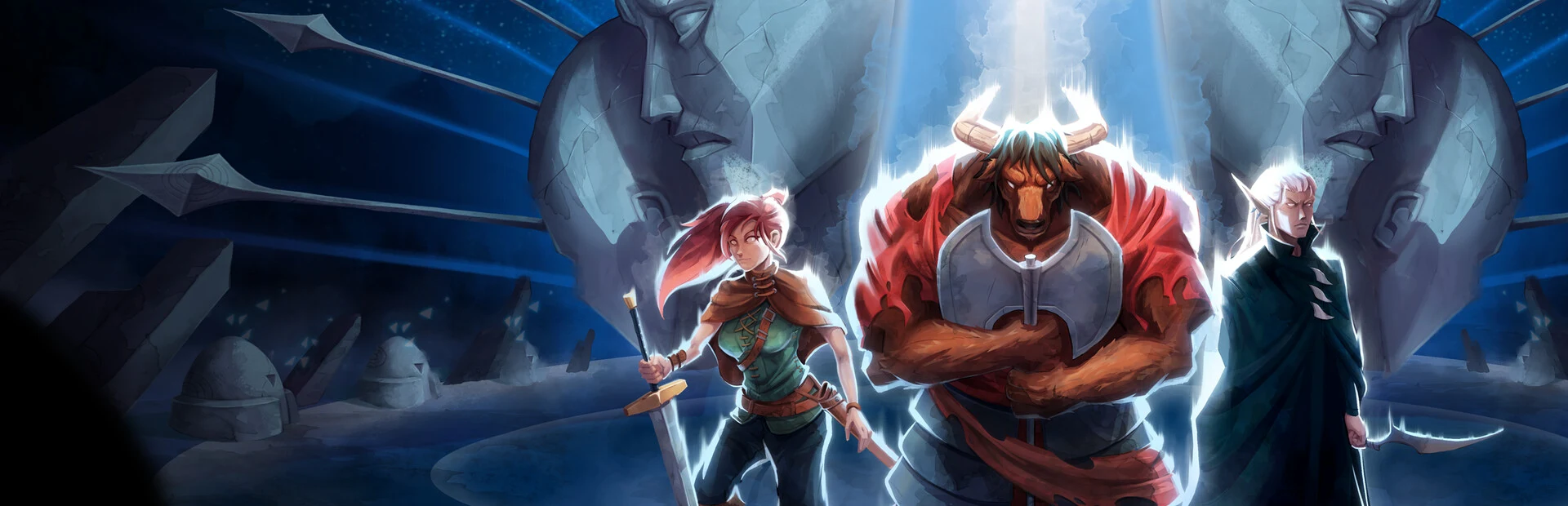
- Dimraeth races: Choose from eight race options when planning a new character.
- Build focus: Match your race choice with class, Archetype, attributes, and equipment.
- Solo play: Favor a race plan that supports survivability and independent progression.
- Co-op play: Coordinate race and class choices so the party covers multiple combat roles.
- Best practice: Confirm exact racial effects in the current game version before finalizing a specialized build.
Dimraeth Races: What to Compare First
The Dimraeth races system gives character creation an important starting point before class, Archetype, attributes, and equipment choices begin shaping the rest of a build. Dimraeth features eight races, but the strongest choice depends on how you intend to fight, explore, craft, and cooperate rather than on a single universal ranking.
Treat race selection as the first layer of a complete character plan. A melee character may value durability and stamina-friendly progression, while a spellcaster may need a different combination of attributes, positioning tools, or elemental options. In multiplayer, a race that feels average alone can become valuable when it completes a coordinated party.
| Comparison Area | Why It Matters | Best Question to Ask |
|---|---|---|
| Combat role | Race traits should support your main way of dealing with enemies. | Will this character fight in melee, at range, or through spells? |
| Class synergy | Class and race choices should reinforce the same progression direction. | Does this race complement the selected class? |
| Archetype plan | Archetypes can narrow a character toward damage, defense, magic, or utility. | Does the race support the Archetype’s main purpose? |
| Solo performance | Independent characters need reliable offense and defense. | Can this choice handle exploration without constant support? |
| Co-op value | Party characters benefit from complementary strengths. | What does this race add that the group currently lacks? |
| Long-term scaling | Early convenience is not the only consideration. | Will the choice remain useful as equipment and skills improve? |
Do not choose a race only because its description sounds powerful. First decide your combat role, then select the race that best supports that plan.
Melee Direction
Build around close-range pressure, defensive timing, stamina control, and dependable equipment.
Spellcaster Direction
Prioritize spell access, positioning, ability management, and equipment that supports magical combat.
Defensive Direction
Focus on survivability, blocking, controlled aggression, and protecting teammates during difficult encounters.
Flexible Direction
Combine compatible physical, magical, or support tools without spreading progression across unrelated systems.
Race and Class Synergy Guide
Dimraeth includes six classes, so race selection should be evaluated alongside class identity rather than in isolation. A race does not need to determine your entire build, but it should make your preferred approach easier to execute. Start with the class role, identify its main requirements, and then compare how each race supports that direction.
The table below is a practical framework for evaluating the eight available races without forcing every character into the same ranking. Use it when creating a first character, planning a second save, or coordinating a multiplayer group.
| Build Type | Main Priorities | Race Evaluation Focus | Common Risk |
|---|---|---|---|
| Melee damage | Weapon pressure, stamina, survivability | Look for traits that support sustained close-range combat and safe attack windows. | Investing entirely in damage and becoming vulnerable during long encounters. |
| Spellcaster | Spell use, positioning, ability sequencing | Check whether the race complements magic-focused attributes and equipment. | Casting without enough defensive planning or distance control. |
| Tank | Defense, blocking, pressure control | Favor traits that help the character remain useful while absorbing enemy attention. | Becoming durable but contributing too little offensive pressure. |
| Ranged damage | Distance, accuracy, mobility | Consider traits that help maintain space and punish enemy openings. | Losing effectiveness when enemies reach close range. |
| Support | Utility, positioning, party stability | Prioritize compatibility with cooperative abilities and survivability. | Building for group utility without enough personal protection. |
| Hybrid | Flexible offense and defense | Select a race that supports two closely related mechanics. | Spreading attributes and equipment across too many roles. |
Race choice cannot compensate for unfocused attributes or mismatched equipment. Avoid dividing early progression evenly across melee, magic, defense, and support unless your build has a clear hybrid purpose.
Race Choices for Solo Characters
Solo players need a build that can manage exploration, combat, equipment progression, and resource gathering without relying on another character to cover weaknesses. A balanced race-and-class combination is usually easier to learn than a highly specialized setup.
When comparing races for solo play:
- Give priority to reliable defensive options alongside damage.
- Consider how easily the build can recover from missed attacks or poor positioning.
- Avoid relying on party-only utility unless it also improves personal survival.
- Select equipment that supports the same combat distance as your class.
- Keep enough stamina available for dodging, blocking, or repositioning.
Race Choices for Co-op Characters
Co-op groups can divide responsibilities across up to eight players. This allows individual characters to specialize more heavily, but the party still benefits from clear role coverage. Before selecting a race, discuss who will handle frontline pressure, ranged damage, spells, support, gathering, and base development.
| Party Role | Useful Contribution | Coordination Goal |
|---|---|---|
| Front line | Holds enemy attention and creates safe openings. | Keep enemies away from fragile party members. |
| Damage dealer | Converts openings into fast offensive pressure. | Attack after the frontline controls enemy movement. |
| Spell specialist | Adds magical damage or situational utility. | Maintain distance and avoid overlapping with melee pressure. |
| Support character | Improves group stability and flexibility. | Stay close enough to help, but avoid unnecessary frontline exposure. |
| Explorer and gatherer | Collects resources for equipment and settlement growth. | Share materials through organized storage and crafting priorities. |
A strong party does not need eight identical high-damage characters. Race and class variety usually create more dependable coverage for combat, exploration, crafting, and settlement development.
Step-by-Step Race Selection Process
Use the following process before committing to a new Dimraeth character. It keeps race selection connected to the complete progression loop, including attributes, equipment, quests, combat, and stronghold development.
Choose Your Primary Combat Role
Decide whether the character will focus on melee, magic, ranged damage, defense, support, or a carefully limited hybrid direction. Write down one main role before comparing races.
Select a Compatible Class
Review the six classes and identify the class whose combat responsibilities match your intended playstyle. Do not select a race first and then force an unrelated class around it.
Compare Race Strengths and Requirements
Read the current in-game race descriptions and compare their strengths against your class, Archetype, attributes, and preferred equipment. Keep the comparison focused on your actual build.
Test the Build Direction Early
Use early combat encounters to check stamina management, defensive timing, attack range, spell access, and survivability. If the character feels unfocused, adjust the plan before investing heavily.
Confirm the Long-Term Setup
Before committing major resources, verify that your race, class, attributes, equipment, and planned progression all support the same role. Then expand into quests, crafting, and stronghold development.
Practical Evaluation Scorecard
Use a simple five-point score for each race you are considering. This is not an official ranking; it is a planning tool for comparing the choices against your own build.
| Criterion | 1/5 Means | 5/5 Means |
|---|---|---|
| Role fit | The race does not clearly support your chosen role. | The race directly reinforces your main combat plan. |
| Class fit | Class and race require conflicting priorities. | Class and race share compatible progression goals. |
| Solo value | The build depends heavily on outside support. | The character can explore and fight with reasonable independence. |
| Co-op value | The race duplicates strengths already covered by the party. | The race fills a missing or valuable group function. |
| Growth potential | Later equipment and skills pull the build in different directions. | Long-term progression remains focused and consistent. |
Dimraeth is scheduled for Steam Early Access on September 15, 2026. Recheck race descriptions, class interactions, and balance changes after major updates before treating a specialized ranking as permanent.
Race Build Checklist and Common Mistakes
Race selection is only the opening decision. A successful character also needs focused attributes, suitable equipment, a practical combat loop, and a progression route that supports exploration and base development.
Before Finalizing Your Character:
- Choose one primary combat role and one supporting role
- Match the selected race with a compatible class and Archetype
- Reserve attribute points for the equipment and spells you plan to use
- Practice stamina, dodging, blocking, or parrying before difficult encounters
- Coordinate race and class coverage with your co-op group
- Build essential crafting and storage facilities before cosmetic expansion
Common Mistakes to Avoid
| Mistake | Why It Causes Problems | Better Approach |
|---|---|---|
| Choosing by appearance alone | Visual preference does not guarantee build compatibility. | Start with your intended combat role, then consider appearance. |
| Copying a party member | Duplicate roles can leave the group without defense, support, or ranged pressure. | Coordinate complementary responsibilities. |
| Spreading attributes evenly | Broad investment can weaken the tools you use most often. | Prioritize the attributes tied to your main weapons, spells, and equipment. |
| Ignoring defense | Damage-focused characters can struggle when they cannot survive mistakes. | Keep defensive timing and survivability part of the build plan. |
| Replacing every item immediately | A higher rarity item may not fit your current role. | Compare the full effect of equipment before changing your setup. |
| Expanding the stronghold too quickly | Optional construction can consume materials needed for progression. | Build essential crafting and storage facilities first. |
The official Dimraeth website is the best place to check current announcements and game information. The Dimraeth Steam page should also be reviewed for Early Access details and platform updates.
For a first character, choose the race and class combination that is easiest for you to understand and control. Experiment with specialized race builds after learning combat and progression fundamentals.
Dimraeth Races FAQ
Q: How many races are available in Dimraeth?
Dimraeth features eight races. Their best use depends on class, Archetype, attributes, equipment, combat role, and whether you play solo or in co-op.
Q: Which Dimraeth race is best for beginners?
There is no single universal choice confirmed for every build. Beginners should favor a race that supports a clear role, dependable defense, and equipment they can use consistently.
Q: Should I choose my race before my class?
It is usually better to decide your preferred combat role first, choose a compatible class, and then select the race that reinforces that complete plan.
Q: Do race choices matter in multiplayer?
Yes. Race choices can matter because co-op groups benefit from complementary frontline, damage, spell, support, exploration, and resource-gathering roles.
The strongest race is the one that supports a focused character plan. Compare all eight options through role fit, class synergy, survivability, and party value.