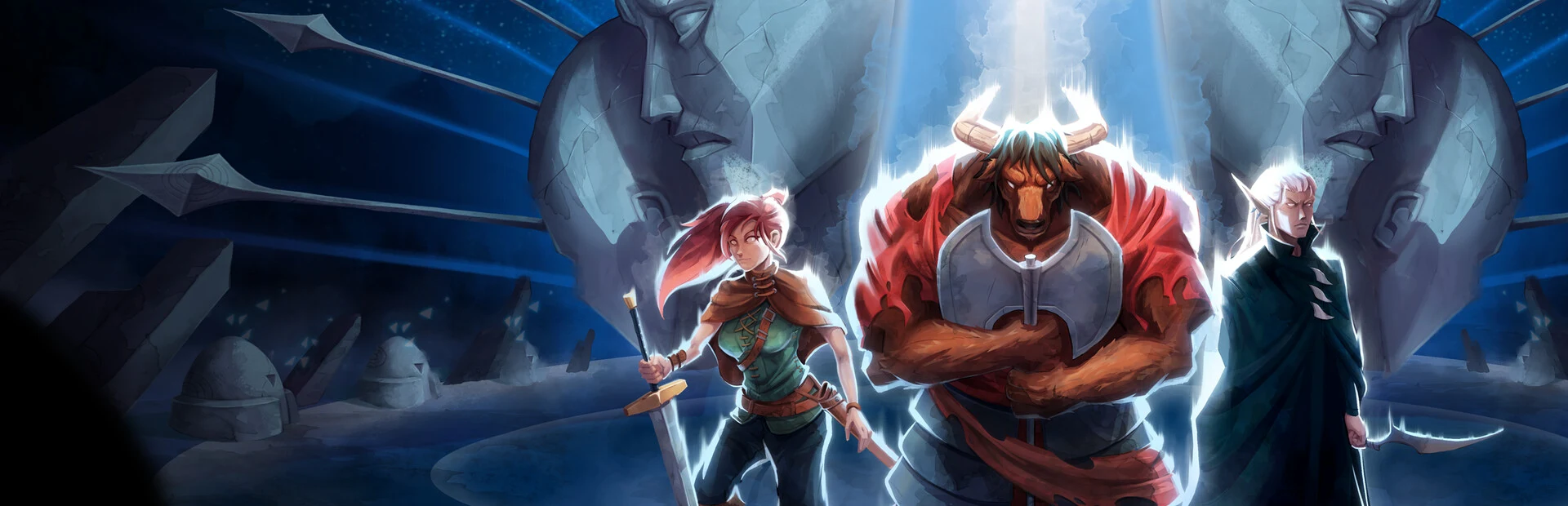
- Dimraeth character creation starts with a clear combat role, not random choices.
- Race, class, and Archetype should reinforce the same style of play.
- Attributes and equipment work best when focused around one primary purpose.
- Solo characters benefit from flexibility, while co-op characters can specialize.
- Early Access timing matters because balance and progression systems may change in 2026.
Dimraeth Character Creation Basics
Dimraeth character creation combines a selectable race, class, Archetype, attributes, equipment direction, and intended combat role. The game is designed as a handcrafted pixel-art fantasy RPG with solo play and cooperative groups of up to eight players. That means the best starting choices depend on how you want to approach combat and whether your character must cover several jobs alone.
The safest first character is focused rather than overly ambitious. Decide whether you want to fight at close range, use spells, absorb pressure, deal damage, or support teammates. Then choose progression options that strengthen that purpose. A focused build is easier to understand, easier to equip, and less likely to weaken its main tools during the early game.
| Character Element | Main Decision | Recommended Starting Question |
|---|---|---|
| Race | Choose one of eight available races | Which background or racial direction best fits my intended role? |
| Class | Choose one of six available classes | How do I want to fight most often? |
| Archetype | Define a narrower build direction | What should this character do especially well? |
| Attributes | Support combat and progression | Which statistics directly improve my chosen role? |
| Equipment | Match weapons, spells, and defenses | What gear will remain useful as I advance? |
For a first character, prioritize a simple role you can recognize during combat. You can experiment with hybrid ideas after you understand how attributes, equipment, and defensive actions work together.
Melee Fighter
- Close-range pressure
- Uses attack timing and defensive actions
- Good for players who enjoy direct combat
Spellcaster
- Ability-driven combat
- Relies on positioning and spell selection
- Suits players who prefer ranged pressure
Defensive Specialist
- Prioritizes survivability
- Helps control enemy pressure
- Especially useful in coordinated co-op groups
Choose Your Race, Class, and Archetype
Race, class, and Archetype should be treated as one connected decision. The available information confirms eight races and six classes, while the broader build structure also includes Archetype choices. Do not select each element independently just because it looks interesting. Instead, begin with a role and ask whether the next choice supports it.
For example, a melee-focused character should favor decisions that help it stay effective near enemies. A spell-focused character should build around ability use, positioning, and compatible equipment. A defensive character should reinforce survivability and the ability to remain useful while under pressure.
Pick Your Preferred Combat Distance
Decide whether you want to fight mainly at close range, maintain distance, or switch between physical and magical tools. This first decision narrows the number of sensible class and Archetype combinations.
Select a Class That Matches the Role
Compare the six classes by their intended combat responsibilities. Choose the class that supports your preferred role instead of selecting only by appearance or name.
Use the Archetype to Add Focus
Treat the Archetype as a specialization layer. Use it to sharpen your class identity, such as emphasizing damage, defense, magic, or cooperative utility.
Review the Race for Compatibility
Check whether the selected race complements the class and Archetype. The goal is not to find a universally best race, but to avoid creating a character whose choices pull in unrelated directions.
| Intended Role | Class and Archetype Direction | Strength to Prioritize | Common Risk |
|---|---|---|---|
| Melee | Physical, close-range focus | Reliable damage and stamina control | Investing in too many unrelated tools |
| Spellcaster | Magic and ability focus | Spell access, positioning, and range | Poor defenses when enemies close distance |
| Tank | Defensive front-line focus | Survivability and pressure management | Low flexibility when playing alone |
| Damage | Offensive specialization | Strong punish windows and equipment synergy | Mistakes become more costly |
| Support | Cooperative utility focus | Team stability and positioning | Less effective without coordinated allies |
| Hybrid | Two compatible mechanics | Flexibility between related roles | Attribute spreading and weaker specialization |
A hybrid character can be useful, but combining too many unrelated mechanics often makes attributes, equipment, and skill development less efficient. Keep a hybrid centered on two compatible strengths.
Plan Attributes and Early Equipment
After selecting the character identity, build a simple progression plan. Attributes should support the weapons, spells, defensive tools, or equipment that define your role. Avoid dividing points evenly simply because several options are available. Even allocation can leave a character without enough strength in any one area.
Equipment should follow the same principle. A higher-quality item is not automatically the best upgrade if it does not support your build. Compare offensive value, defensive value, requirements, and compatibility with your active combat plan.
| Build Direction | Attribute Priority | Equipment Focus | Combat Reminder |
|---|---|---|---|
| Melee | Physical performance and durability | Melee weapon, defensive gear | Preserve stamina for attacks and defense |
| Spellcaster | Magic-supporting progression | Spells, spell-compatible gear, protection | Maintain distance before casting |
| Tank | Defensive attributes and stamina support | Durable armor and reliable defenses | Control pressure for yourself or teammates |
| Damage | Primary offensive attributes | High-value offensive equipment | Attack during safe openings |
| Support | Utility, survivability, and role tools | Gear that improves team contribution | Position around the group’s needs |
| Hybrid | Two closely related attribute paths | Equipment supporting the main half of the build | Avoid spreading upgrades too widely |
A practical rule is to keep a primary combat plan and a secondary safety plan:
- Primary plan: The action that should solve most ordinary encounters.
- Secondary plan: A defensive or utility option for situations where the primary plan is unsafe.
- Resource plan: The stamina, spell, or equipment consideration that limits repeated actions.
- Upgrade plan: The next weapon, spell, or defensive improvement worth pursuing.
When an attribute, ability, and equipment choice all support the same role, the character becomes easier to operate. This consistency is more valuable than collecting unrelated options early.
Damage
Choose offensive progression and learn when enemies become vulnerable. Damage builds reward accurate timing but may offer less room for mistakes.
Defense
Prioritize staying active under pressure. Defensive builds are valuable when learning encounters or protecting co-op teammates.
Range
Use distance to create safer attack windows. Positioning becomes as important as the spell or weapon itself.
Utility
Improve group flexibility through supportive abilities and dependable survival. This direction is strongest when teammates can use its benefits.
Create a Reliable First Character
Use this setup process when creating a first character or rebuilding after deciding that the original choices do not fit your playstyle. The goal is not to claim one permanent best build. Instead, this sequence keeps early decisions connected and gives you a clear way to evaluate the result.
Write Down the Role
Before confirming the character, describe the role in one sentence: “I want to fight in close range,” “I want to cast from distance,” or “I want to protect the group.” If the role cannot be stated clearly, the build may be too broad.
Choose Compatible Core Options
Select the race, class, and Archetype that best support the role. Review the combination as a complete package rather than judging each option separately.
Set Attribute Priorities
Identify the attributes that improve your main attacks, spells, defenses, or equipment access. Establish a primary priority and one supporting priority.
Build Around Defenses
Practice dodging, blocking, parrying, and stamina management alongside offensive actions. A character that can survive mistakes is easier to develop and test.
Test Before Specializing Further
Use ordinary enemies and early quests to confirm that the character feels coherent. Adjust future equipment and progression choices based on actual combat results.
| Creation Stage | Check Before Moving On | Good Result |
|---|---|---|
| Role | Can you explain the character’s job? | One clear primary function |
| Core choices | Do race, class, and Archetype point in the same direction? | Compatible build identity |
| Attributes | Are points supporting the main combat plan? | Noticeable improvement in intended actions |
| Equipment | Does each major item help the role? | Fewer wasted upgrades |
| Combat test | Can you attack and defend without exhausting resources? | More consistent encounters |
First Character Checklist:
- Choose a primary combat role
- Match race, class, and Archetype to that role
- Set one main attribute priority and one support priority
- Select equipment that reinforces the current build
- Practice dodging, blocking, parrying, and stamina control
Do not judge a character from one difficult encounter. Test the build across normal combat, exploration, equipment upgrades, and at least one group situation before changing direction.
Solo and Co-op Character Planning
Dimraeth supports one to eight players, so character creation changes depending on whether you expect to play alone or with a regular group. Solo characters benefit from dependable defenses and enough flexibility to handle different situations without relying on another player. Co-op characters can specialize because teammates may cover missing damage, defense, range, or utility.
The hosted world and the individual character should also be considered separately. Personal progression, combat development, and equipped gear are important to the character, while settlement structures and other world-specific progress are associated with the hosted world. Coordinate before investing heavily in a shared base or completing major objectives.
| Play Mode | Recommended Character Approach | Main Priority |
|---|---|---|
| Solo | Balanced role with reliable defense | Self-sufficiency and safe progression |
| Duo | One damage role plus one flexible role | Cover different combat needs |
| Small group | Mix front line, damage, magic, and utility | Avoid duplicating the same specialization |
| Large group | Clear team assignments | Coordinate roles and shared resources |
| Hosted world | Plan settlement and objective ownership | Keep important infrastructure organized |
For cooperative creation, discuss these points before starting:
- Who will stay on the front line?
- Does the group have a ranged or spell-focused option?
- Is anyone building around support or utility?
- Which player will help organize shared crafting facilities?
- Which character can remain effective if the group temporarily separates?
A specialized build is more attractive in multiplayer when teammates cover its weaknesses. For a first shared world, keep at least one dependable defensive role and one consistent damage role.
Dimraeth Character Creation FAQ
Q: How many races and classes are available in Dimraeth character creation?
The current reference information lists eight races and six classes. Archetype choices, attributes, equipment, and combat roles add further build direction.
Q: What is the best first character build?
There is no single confirmed best combination for every player. A focused melee, spellcaster, or defensive build is generally easier to understand than a broad hybrid when learning the game.
Q: Should solo players create a hybrid character?
Solo players can benefit from flexibility, but a hybrid should still have a clear primary role. Limit the build to compatible mechanics so attributes and equipment do not become too diluted.
Q: Can a co-op character be more specialized?
Yes. Co-op groups can divide responsibilities between front-line, damage, spell, ranged, and support roles. Specialization works best when the party discusses weaknesses before beginning a shared world.
Dimraeth is planned for Steam Early Access on September 15, 2026. Character balance, progression, and available systems may change during development, so review current official updates before treating a build recommendation as permanent.
For the latest confirmed information, check the official Dimraeth website and the Dimraeth Steam page. These channels are the best places to verify release information, system changes, and Early Access updates.