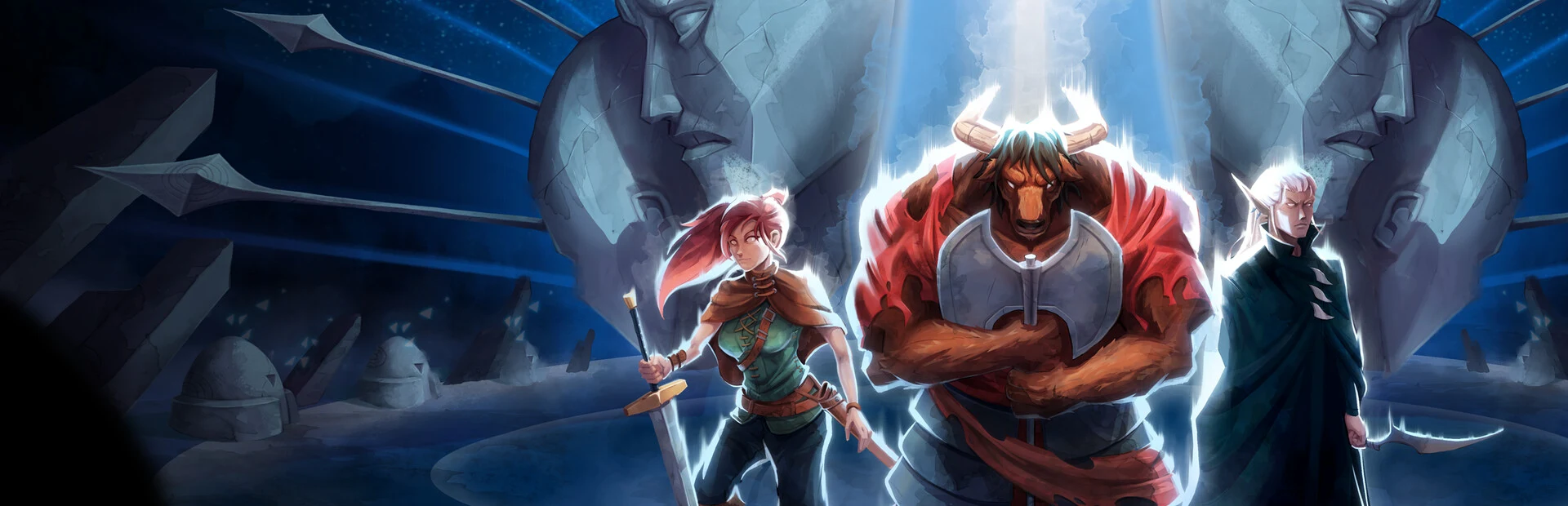
- Dimraeth classes: The game includes 6 classes, supported by race, Archetype, attributes, equipment, and skills.
- Best starting direction: A balanced melee or durable front-line setup offers a clear learning path.
- Solo priority: Choose reliable defense, stamina control, and consistent damage before specialized utility.
- Co-op priority: Build distinct roles across frontline defense, damage, magic, and support.
- Version note: Dimraeth is planned for Steam Early Access on September 15, 2026.
Dimraeth Classes: How the System Works
The Dimraeth classes system is one part of a broader character-building framework. Your final playstyle also depends on race, Archetype, attribute allocation, skill development, spells, equipment, and combat habits. The available reference material confirms 6 classes, but it does not provide confirmed official names or complete class-by-class statistics. This guide therefore uses practical role labels to compare the directions players can build toward without presenting unofficial labels as in-game class names.
Dimraeth supports solo play and co-op groups of up to eight players. That makes class selection less about finding one universal winner and more about matching a character to the way you intend to fight.
| Build direction | Main role | Core priorities | Best fit |
|---|---|---|---|
| Melee | Close-range damage | Weapon pressure, stamina, defense | Players who enjoy direct combat |
| Spellcaster | Magic damage and utility | Spell access, positioning, ability timing | Players who prefer ranged or ability-based play |
| Tank | Front-line defense | Durability, blocking, enemy control | Co-op players who protect the group |
| Damage | Maximum offense | Damage attributes, openings, equipment synergy | Experienced players seeking faster clears |
| Support | Cooperative utility | Team assistance, survival, positioning | Coordinated multiplayer groups |
| Hybrid | Flexible mixed role | Complementary tools, focused attributes | Players who value adaptation |
These labels describe build goals rather than confirmed official class titles. Before committing to a specialized setup, check how your selected class interacts with its available skills, attributes, and equipment requirements.
Start With a Role
Select a clear combat purpose first. Decide whether your character should lead engagements, deal damage, cast spells, or support allies.
Add Race and Archetype
Treat race and Archetype as supporting choices. They should reinforce the class direction instead of pulling the build toward unrelated attributes.
Complete the Build
Skills, spells, weapons, armor, and upgrades determine how the class performs during actual encounters.
Do not spread early attributes across every available option. A focused build is easier to equip, easier to test, and easier to adjust when the combat loop becomes familiar.
Class Roles Compared for Solo and Co-op
The strongest class direction depends on the mode, your mechanical experience, and whether other players cover your weaknesses. A defensive melee setup is usually easier to understand because it combines direct attacks with blocking, dodging, parrying, and stamina management. Spellcasting can provide distance and flexibility, while tank and support directions become more valuable when a party coordinates around them.
| Role | Solo value | Co-op value | Difficulty | Main weakness |
|---|---|---|---|---|
| Melee | High | High | Moderate | Must manage close-range danger |
| Spellcaster | High | High | Moderate to High | Positioning and spell selection matter |
| Tank | Moderate to High | Very High | Moderate | May clear encounters more slowly |
| Damage | High with skill | High | High | Mistakes are more punishing |
| Support | Moderate | Very High | Moderate to High | Lower individual impact without allies |
| Hybrid | High for exploration | Moderate | High | Can lose efficiency through over-investment |
Best direction for new players
New players should begin with a role that leaves room for defensive mistakes. A balanced melee build teaches the central combat habits: watching attack warnings, preserving stamina, blocking when timing is uncertain, and attacking during safe openings. A tank-oriented direction offers another forgiving route, particularly for players who plan to join a regular group.
Spellcasters can also work well for beginners, but they require more attention to range, spell sequencing, and positioning. Avoid selecting spells simply because they are available. Choose abilities that support the same distance and damage plan.
Best direction for solo play
Solo characters must handle damage, defense, exploration, and resource management without depending on another player. Prioritize:
- Reliable damage that does not require perfect execution.
- Enough defense to survive missed parries or delayed reactions.
- Stamina management for both attacks and emergency movement.
- Equipment that supports the main combat style.
- A small number of complementary abilities instead of a scattered toolkit.
Best direction for co-op
A group of up to eight players can divide responsibilities more effectively than a solo character. A party benefits when players avoid building the same narrow role unless the group deliberately wants a high-damage strategy.
A practical group structure includes:
- One durable front-line character.
- One or more direct damage characters.
- A spell-focused or ranged character.
- A support-oriented player who improves group stability.
- Flexible builds that can respond to enemies, objectives, or resource needs.
Coordinate roles before investing heavily in specialized progression. A balanced party can cover defensive timing, sustained damage, spell utility, and recovery more reliably than several identical builds.
Dimraeth Class Tier List and Build Priorities
This tier list ranks role directions by reliability rather than raw damage. The ratings consider early progression, solo survival, co-op usefulness, and how much a build depends on precise execution. They are guide categories, not confirmed official class rankings, and should be revisited as Early Access systems change during 2026.
| Tier | Build direction | Early game | Solo | Multiplayer | Why it ranks here |
|---|---|---|---|---|---|
| S | Balanced melee | S | S | A | Combines direct damage with accessible defensive mechanics |
| S | Tank-oriented | A | A | S | Strong survivability and excellent front-line value |
| A | Spellcaster | A | A | A | Flexible pressure, but depends on range and ability choices |
| A | Support | B | B | S | Gains major value when teammates can use its utility |
| B | Pure damage | B | A | A | High output, but less forgiving when mistakes occur |
| B | Broad hybrid | B | A | B | Flexible, though scattered investment can reduce efficiency |
S-tier direction: Balanced melee
A balanced melee character is a dependable first choice because its core decisions are easy to understand. Use attacks during safe openings, retain stamina for defense, and switch between blocking, dodging, or parrying according to the enemy’s pattern. This approach does not require a party to function, yet it still contributes meaningful pressure in co-op.
Recommended priorities:
- A consistent melee weapon.
- Attributes that support the chosen weapon and defensive needs.
- Enough stamina for extended encounters.
- Armor that prevents offense from becoming too fragile.
- Skills that improve one clear combat direction.
S-tier direction: Tank-oriented
Tank builds prioritize survival, controlled aggression, and enemy pressure management. They are especially effective in co-op because a durable front-line player can create safer attack windows for spellcasters, ranged characters, and damage-focused allies.
A tank should not ignore damage completely. If the character cannot maintain threat or contribute to an encounter, the group may still struggle. Build toward stable defense first, then add enough offensive capability to keep combat moving.
A-tier direction: Spellcaster
Spellcasters can create distance, apply ability-based pressure, and adapt their spell selection to the encounter. Their main challenges are positioning and resource management. Casting at the wrong time can leave the character exposed, particularly when an enemy has already begun a close-range sequence.
Use a compact spell selection with clear purposes:
- One reliable damage option.
- One tool for controlling distance or responding to pressure.
- One utility or defensive option when available.
- Equipment and attributes that support the same magical plan.
A-tier direction: Support
Support builds are most valuable in coordinated multiplayer. Their strength comes from improving the party’s stability rather than competing for the highest personal damage number. Support players should remain durable enough to survive unexpected pressure and should pay attention to ally positioning.
B-tier directions: Pure damage and broad hybrid
Pure damage builds can perform strongly when the player understands attack patterns and punish windows. However, they offer less room for mistakes. Broad hybrids are flexible, but they can become inefficient if attributes, skills, and equipment are divided among unrelated mechanics.
Do not treat the tier list as a permanent power ranking. Dimraeth is planned for Early Access development, so balance changes may alter the value of classes, skills, spells, equipment, and resource systems.
Step-by-Step Class Selection Guide
Use this process before committing to a first character or rebuilding an existing one. The goal is to create a coherent setup rather than selecting disconnected options that look strong individually.
Choose Your Combat Distance
Decide whether you want to fight mainly at close range, maintain distance with spells or ranged tools, or switch between both. Distance determines your stamina habits, equipment needs, and defensive timing.
Select a Primary Role
Choose one main purpose: frontline defense, direct damage, magic pressure, support, or flexible exploration. A clear role gives your attributes and skills a consistent direction.
Match Race and Archetype
Select a race and Archetype that reinforce the intended role. Avoid choosing supporting options only because they appear useful in isolation.
Plan Attributes and Equipment
Identify the attributes required by your preferred weapons, spells, armor, or other equipment. Keep enough defensive investment to survive the encounters you expect to face.
Test the Build in Normal Encounters
Practice against weaker enemies before judging the build in a difficult fight. Check whether your stamina, damage, survivability, and positioning work together.
| Selection question | Recommended answer |
|---|---|
| Do you prefer direct combat? | Start with a balanced melee direction |
| Do you want to protect allies? | Choose a tank-oriented direction |
| Do you enjoy ability management? | Test a spellcaster direction |
| Do you want maximum damage? | Use a damage build after learning enemy patterns |
| Do you usually play with friends? | Consider support or tank roles |
| Do you dislike specialization? | Use a focused hybrid, not a broad unfocused build |
Beginner
Balanced melee offers a clear way to learn attacks, defense, and stamina.
Solo Explorer
Use a durable damage or spell-focused setup with dependable survival tools.
Party Defender
Tank builds create safer openings and stabilize difficult encounters.
Experienced Player
Pure damage and hybrid builds become more attractive after mastering timing.
Judge a class by its complete loop: movement, defense, stamina, damage, equipment access, and recovery. A strong individual skill cannot fix an unfocused build.
Class Checklist and FAQ
Use this checklist when creating a character, joining a new world, or reviewing a build after a major update.
Class Selection Checklist:
- Choose one primary combat role
- Decide whether the build is for solo or co-op play
- Match race and Archetype to the chosen role
- Reserve attributes for compatible weapons, spells, or equipment
- Test stamina, defense, and damage before specializing further
The official Dimraeth website and Steam store page are the best places to verify feature announcements and Early Access information during 2026. For multiplayer discussions and development updates, use the official Steam community or Dimraeth Discord.
Q: How many classes does Dimraeth have?
The available game information identifies 6 classes. Their confirmed official names, complete statistics, and final balance details should be checked against future official updates.
Q: Which Dimraeth class is best for beginners?
A balanced melee direction is a strong starting point because it teaches attacks, blocking, dodging, parrying, stamina management, and safe punish windows. A tank-oriented build is another forgiving option.
Q: What is the best class for solo play?
Durable melee, tank-oriented, and balanced spellcaster directions all offer useful solo foundations. Choose the option that matches your preferred combat distance and ability-management style.
Q: Which class should I choose for co-op?
Tank and support directions gain significant value in co-op, while melee, spellcaster, and damage builds provide offensive pressure. A party should coordinate roles instead of duplicating every specialization.
Choose a class direction that supports your preferred distance, role, and game mode. Then reinforce it with focused attributes, compatible equipment, and disciplined combat habits.