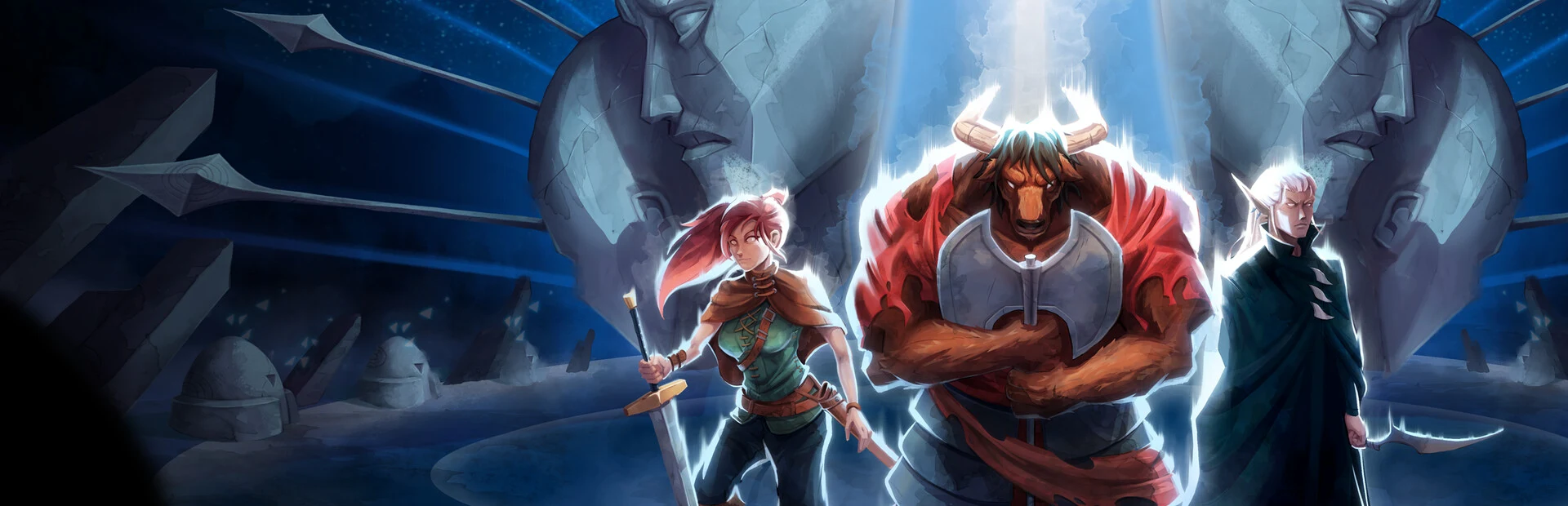
- Dimraeth characters currently include several named lore references connected to the game’s fantasy setting.
- Known names include Faustas, Sylbos, Befr, Manga, and Myrll.
- Canon status should be checked against official announcements as Early Access development continues.
- Character roles are best organized by story function, faction, quest relevance, and gameplay connection.
- Build connection matters for playable heroes, but not every lore character should be treated as a class or race.
Known Dimraeth Characters and Lore References
Dimraeth characters are part of the game’s broader fantasy setting, which combines exploration, quests, ancient forces, elemental combat, and a world facing corruption. Current planning references identify Faustas, Sylbos, Befr, Manga, and Myrll as important names for the lore section, but detailed biographies, factions, abilities, and quest appearances should be confirmed through official game updates.
The most reliable approach is to separate confirmed names from editorial interpretation. A character page can document what is known without assigning an unsupported class, race, alignment, or combat role.
| Character | Current status | Confirmed use | What to verify |
|---|---|---|---|
| Faustas | Named lore reference | Character database entry | Faction, quest role, background |
| Sylbos | Named lore reference | Character database entry | Relationship, location, story importance |
| Befr | Named lore reference | Character database entry | Identity, motivations, gameplay connection |
| Manga | Named lore reference | Character database entry | Narrative role, faction, appearance |
| Myrll | Named lore reference | Character database entry | Lore history, quests, affiliations |
Named Lore Figures
Faustas, Sylbos, Befr, Manga, and Myrll should be tracked as named entries rather than assigned unsupported biographies.
Playable Heroes
Player characters are shaped by race, class, Archetype, attributes, equipment, spells, and combat choices.
Quest Characters
Future NPC pages should focus on dialogue, objectives, rewards, locations, and relationships once officially documented.
Do not present a character’s race, class, faction, alignment, or abilities as confirmed unless an official Dimraeth source clearly establishes that detail.
The official Dimraeth website and Dimraeth Steam page are the best places to verify new character information during 2026 development and Early Access preparation.
How to Classify Characters Without Overclaiming
A useful character database should distinguish between story identity and player build systems. Dimraeth includes eight races and six classes for character creation, but a named lore figure is not automatically a playable race, class, companion, boss, or recruitable unit.
Use a consistent classification system so readers can understand what each page proves and what remains unknown.
| Classification | Meaning | Suitable page content |
|---|---|---|
| Lore figure | Named person connected to the setting | Name, known references, history, relationships |
| Quest NPC | Character connected to an objective | Quest trigger, location, dialogue, reward |
| Faction member | Character associated with a group | Faction, goals, allies, conflicts |
| Enemy or boss | Hostile encounter character | Attack patterns, weaknesses, encounter notes |
| Playable hero | Player-controlled character | Race, class, Archetype, attributes, equipment |
| Unknown status | Name lacks confirmed context | Open questions and verification notes |
When a new character is discovered, record the source date and preserve the original wording. This prevents speculation from becoming indistinguishable from canon.
Recommended character-page fields:
- Name and alternate spellings
- First known appearance or reference
- Story role
- Faction or allegiance
- Known relationships
- Quest involvement
- Location
- Combat status
- Dialogue or lore summary
- Canon confidence level
- Last verified date
Use “confirmed,” “suggested,” and “unknown” as separate labels. This keeps the Dimraeth characters database useful even while the game’s lore is still expanding.
Character pages should also avoid importing assumptions from unrelated fantasy RPGs. A mysterious name may become a companion, antagonist, quest giver, or historical figure, but the page should wait for evidence before choosing one category permanently.
Characters, Races, Classes, and Builds
Dimraeth’s playable character system is built around the interaction between races, classes, Archetypes, attributes, equipment, spells, and combat decisions. This system is separate from the lore database, but the two areas can support each other.
For example, a future NPC page may explain a character’s story role, while a class guide explains the mechanics available to the player. Linking those pages helps readers move from narrative information to practical character creation without confusing canon characters with player builds.
| System | Main purpose | Character-page connection |
|---|---|---|
| Race | Defines a playable character’s starting identity and traits | Compare lore identity only when officially confirmed |
| Class | Establishes a broad combat role | Link to class guides, not assumed NPC roles |
| Archetype | Shapes a focused development direction | Useful for player build pages |
| Attributes | Supports combat and equipment choices | Include only when tied to playable mechanics |
| Equipment | Improves offense, defense, or utility | Relevant to player characters and enemy drops |
| Spells | Adds magical or ability-based options | Document named character abilities only if confirmed |
Melee Identity
Direct combat, defensive timing, stamina control, and close-range pressure.
Spellcaster Identity
Ability management, distance control, spell selection, and positioning.
Tank Identity
Survivability, blocking, pressure control, and cooperative protection.
Support Identity
Utility, group stability, positioning, and multiplayer coordination.
These build labels describe gameplay directions, not the confirmed identities of Faustas, Sylbos, Befr, Manga, or Myrll. A lore character may eventually be associated with one of these roles, but that connection should be added only after official confirmation.
Keep lore pages and build pages connected through links, but do not convert every named character into a playable class, race, or combat archetype.
For player-created heroes, the safest early strategy is to choose one clear role, spend attributes with a purpose, and select equipment that reinforces the same combat plan. This approach matches the broader Dimraeth progression structure while leaving room for future lore discoveries.
Step-by-Step Character Research Workflow
Use the following workflow whenever a new Dimraeth character appears in an announcement, quest, trailer, community post, or in-game reference. The goal is to create a useful page without turning uncertain information into fact.
Record the Exact Name
Write the character’s name exactly as shown. Record alternate spellings separately and avoid silently correcting unusual capitalization or terminology.
Identify the First Reliable Reference
Save the official page, announcement, Steam post, or in-game text where the character appears. Add the publication or verification date to the page history.
Separate Facts from Interpretation
Place confirmed details in the main infobox or summary. Move theories, likely relationships, and possible factions into clearly labeled speculation or open-question sections.
Connect Related Systems
Link the character to quests, locations, factions, races, classes, enemies, or items only when the relationship is supported by documented evidence.
Review the Page After Updates
Recheck character status after major development announcements, Early Access updates, or new story content. Replace outdated uncertainty labels when official information becomes available.
A concise page history is especially important for an Early Access title. Character identities, quest functions, and story details can change as development progresses, so each page should show when its information was last reviewed.
| Review field | Recommended entry |
|---|---|
| Name | Exact spelling used by the source |
| Source date | Publication or verification date |
| Evidence type | Official website, Steam post, in-game text |
| Confidence | Confirmed, suggested, or unknown |
| Related pages | Quest, faction, location, item, or build |
| Next review | After the next relevant update |
A short, well-sourced character page is more valuable than a detailed biography built from assumptions. Update the page as Dimraeth’s official lore develops.
This workflow also makes the wiki easier to maintain. Editors can quickly identify which statements need review, while readers can distinguish established lore from community interpretation.
Character Wiki Checklist and FAQ
Use this checklist when creating or updating a Dimraeth character page. It is designed for both named lore figures and future NPC entries.
Character Page Checklist:
- Confirm the exact character name and spelling
- Add at least one reliable official reference
- Separate confirmed facts from theories
- Link related quests, factions, locations, or items
- Add a last-verified date before publishing
| Page section | What to include | Avoid |
|---|---|---|
| Summary | Confirmed identity and current role | Unsupported biography |
| Lore | History, relationships, and setting details | Treating theories as facts |
| Gameplay | Confirmed combat or quest function | Invented skills or drops |
| Connections | Related NPCs, factions, and locations | Unverified alliances |
| Updates | Changes after official patches | Presenting old details as current |
Q: Who are the known Dimraeth characters?
Current lore references identify Faustas, Sylbos, Befr, Manga, and Myrll as named characters or character references. Their detailed roles, factions, abilities, and quest appearances should be verified as official information expands.
Q: Are Dimraeth characters playable?
The available information confirms a playable character system with eight races and six classes, but it does not establish that every named lore character is playable. Lore figures and player-created heroes should remain separate categories.
Q: Should every character receive a class and race page?
No. A class or race should be assigned to a named character only when an official source confirms the connection. Otherwise, link the character to general class and race guides without making a direct identity claim.
Q: How should character speculation be handled?
Label speculation clearly and keep it separate from confirmed lore. Include the source date, explain the evidence, and update the theory if an official Dimraeth announcement changes the character’s status.
Prioritize accuracy, source dates, and clear labels. The Dimraeth characters section will become stronger as new quests, factions, and story details are officially revealed.
For ongoing updates, monitor the official Dimraeth website, the Steam community hub, and the official Mudtek Discord. These channels are the most practical places to verify new lore references during 2026.