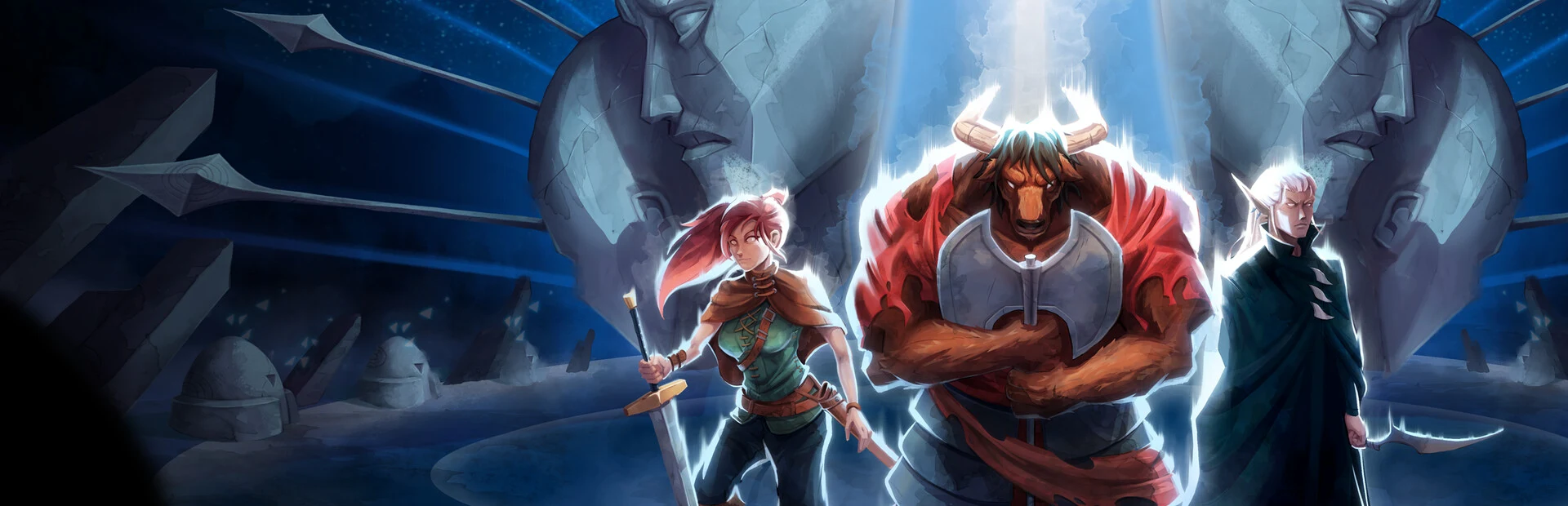
- Dimraeth Early Access is scheduled for September 15, 2026, on Steam.
- Game format: A handcrafted pixel-art fantasy RPG for solo play or up to eight players.
- Core systems: Races, classes, Archetypes, combat, crafting, quests, and stronghold development.
- Launch preparation: Choose a focused role, learn stamina-based defense, and coordinate multiplayer responsibilities.
- Official updates: Check the Dimraeth website and Steam store page for the latest status.
Dimraeth Early Access Date and Scope
Dimraeth is a handcrafted pixel-art fantasy RPG developed by Mudtek. Dimraeth Early Access is planned for September 15, 2026, with the game positioned as a solo-friendly and cooperative adventure for groups of one to eight players.
The planned experience combines character creation, action combat, exploration, equipment progression, elemental abilities, crafting, quests, and stronghold construction. Because the game is entering Early Access, specific systems, balance values, and available content may change as development continues.
| Item | Confirmed information |
|---|---|
| Early Access date | September 15, 2026 |
| Developer | Mudtek |
| Platform | Steam |
| Player count | 1–8 players |
| Visual style | Handcrafted pixel art |
| Genre | Fantasy RPG |
| Main progression | Races, classes, Archetypes, gear, quests, crafting, stronghold development |
Treat September 15, 2026 as the planned Early Access date rather than a guarantee that every advertised system will be fully expanded at launch. Review the latest official announcement before starting a long-term campaign.
Character Creation
Build around one clear role by combining a race, class, Archetype, attributes, and equipment direction.
Action Combat
Learn attacking, dodging, blocking, parrying, stamina control, and enemy attack timing.
Adventure Loop
Explore, complete quests, gather resources, improve equipment, and return to your developing stronghold.
Co-op Worlds
Play with up to eight players and divide frontline, damage, spell, support, gathering, and construction duties.
The best preparation is not memorizing unconfirmed numbers. Instead, understand the progression loop and decide whether your first character will focus on melee pressure, spellcasting, durability, damage, support, or a flexible hybrid role.
What to Expect at Launch
Dimraeth is designed around several connected systems rather than a single combat-only progression path. Exploration supplies materials and objectives, combat creates opportunities for equipment growth, and the stronghold gives those resources a reliable long-term purpose.
The following overview separates the major systems so new players can identify which activities belong together.
| System | Main purpose | Early priority |
|---|---|---|
| Races | Shape character identity and potential build direction | Choose a race that supports your intended role |
| Classes | Define combat responsibilities and progression direction | Select a class that matches your preferred range and duties |
| Archetypes | Add another layer of character specialization | Avoid spreading early investment across unrelated paths |
| Combat | Resolve encounters through attacks and defensive timing | Practice stamina, dodging, blocking, and parrying |
| Exploration | Find resources, enemies, objectives, and progression opportunities | Explore near your current ability level |
| Crafting | Convert gathered materials into useful items and equipment | Establish basic production early |
| Stronghold | Provide a central location for facilities, storage, and development | Build essential functions before decoration |
| Quests | Structure progression through objectives, NPCs, and rewards | Use nearby quests to guide early exploration |
The official positioning supports a broad RPG foundation, but detailed balance values, item lists, quest counts, and system rules should be confirmed against the current build after launch.
The Core Progression Loop
A practical first-session loop should connect adventure and preparation:
- Create a character with a focused combat identity.
- Explore nearby areas and learn enemy attack patterns.
- Gather resources while completing accessible objectives.
- Replace weak equipment with gear suited to the selected role.
- Return to the stronghold to organize materials and improve production.
- Prepare consumables and equipment before attempting harder encounters.
- Coordinate responsibilities with teammates when playing cooperatively.
This structure prevents a common early mistake: treating combat, crafting, and base building as unrelated activities. Each system supports the others. Exploration provides inputs, crafting converts those inputs, and the stronghold helps maintain a repeatable supply cycle.
Build Directions for New Players
| Build direction | Strength | Main challenge | Best fit |
|---|---|---|---|
| Melee | Direct pressure and active defensive play | Requires close-range timing | Players who enjoy blocking, dodging, and parrying |
| Spellcaster | Ability-based pressure and distance control | Needs positioning and spell management | Players who prefer magic and ranged options |
| Tank | Survivability and frontline control | May rely on teammates for faster damage | Cooperative players who protect the party |
| Damage | Strong offensive pressure | Mistakes are more punishing | Experienced players who understand enemy openings |
| Support | Team utility and cooperative flexibility | Less self-focused damage | Players who enjoy enabling teammates |
| Hybrid | Flexible responses across multiple situations | Can lose efficiency if spread too widely | Players who understand the core systems |
Step-by-Step First Session Setup
A focused opening makes the first Dimraeth session easier to manage. Start with a role, practice defensive mechanics before taking major risks, and use exploration to improve both your character and your base.
Do not divide attribute points, equipment choices, or skill development across several unrelated combat styles without a clear reason. A focused build is easier to evaluate and improve.
Choose a Clear Role
Decide whether your first character will emphasize melee combat, spellcasting, durability, damage, support, or a controlled hybrid. Select a race, class, and Archetype that reinforce that direction. In multiplayer, discuss roles before everyone chooses the same type of character.
Practice Defensive Combat
Fight normal enemies while learning attack timing, dodging, blocking, parrying, and stamina management. Keep enough stamina available for your next defensive action instead of spending the entire bar on offense.
Explore With a Purpose
Follow nearby quests while gathering resources and checking the surrounding area for useful equipment or materials. Avoid rushing into difficult zones before your character and supplies are ready.
Improve Equipment Carefully
Compare new gear according to its role, defensive value, requirements, and compatibility with your combat plan. A higher-quality item is not automatically the best choice if it does not support your build.
Establish Essential Stronghold Functions
Build the facilities needed for crafting, storage, food, potions, and future resource production before investing heavily in optional expansion. A useful base should shorten preparation time and support longer expeditions.
| First-session goal | What to do | Why it matters |
|---|---|---|
| Character focus | Pick one primary combat direction | Makes early choices easier to evaluate |
| Combat practice | Fight weaker enemies and preserve stamina | Builds reliable defensive habits |
| Resource collection | Gather while completing nearby objectives | Supports equipment and stronghold growth |
| Gear improvement | Replace weak items with role-appropriate equipment | Improves survival without wasting resources |
| Base foundation | Prioritize essential facilities and storage | Creates a repeatable preparation loop |
The first session should establish a foundation rather than chase maximum optimization. Early Access systems may change, so prioritize learning how the game connects combat, exploration, resources, and settlement development.
Co-op Preparation for Eight Players
Dimraeth supports cooperative worlds for up to eight players. A group will progress more smoothly when it separates character progression from world progression and agrees on how shared resources, construction, and major objectives will be handled.
Character development generally follows the individual hero, while structures, settlement changes, and other world-specific progress are associated with the hosted world. Confirm the exact behavior in the current build when creating a campaign.
Choose one shared base, organize storage clearly, and assign responsibilities before the group begins spending scarce materials. Centralized planning reduces duplicated work during the opening phase.
| Party responsibility | Suggested role | Practical focus |
|---|---|---|
| Frontline | Melee or tank character | Control pressure, block attacks, and create safe openings |
| Damage | Melee, ranged, or spell-focused character | Capitalize on enemy vulnerabilities and punish openings |
| Support | Utility or support build | Improve group stability and cover weaknesses |
| Resource gathering | Any available player | Collect materials during quests and exploration |
| Crafting management | Designated organizer | Track materials, stations, food, and potions |
| Stronghold planning | Host or agreed builder | Place facilities and maintain a useful shared layout |
Host and Character Considerations
Before beginning a long campaign, discuss these points:
- Which player will host the primary world?
- Will the group keep crafting stations and storage in one central stronghold?
- Which players will focus on gathering, construction, combat, or support?
- Will major objectives be completed together?
- How will the party handle players joining at different times?
- Which resources should be reserved for shared progression?
A cooperative campaign does not require every player to use a different build, but overlapping roles can leave the party without enough defensive or utility coverage. A balanced group usually benefits from at least one durable frontline character, one dependable damage source, and additional players who can provide ranged pressure, magic, support, or flexible utility.
Launch Checklist and Official Updates
Use this checklist before starting your first Early Access session. It focuses on preparation that remains useful even if balance, item values, or progression details change.
Launch Preparation:
- Check the latest Dimraeth announcement before September 15, 2026
- Decide whether your first character will be solo or cooperative
- Choose one primary combat role and supporting build direction
- Practice stamina management, dodging, blocking, and parrying
- Agree on a host world and shared stronghold plan
Use the official Dimraeth website, Steam store page, Steam community hub, and official Discord for launch notices, development announcements, discussions, and feedback channels.
What to Track After Launch
| Update category | Why to monitor it |
|---|---|
| Early Access announcements | Confirms launch status and major development milestones |
| Combat balance | May change the value of classes, attributes, spells, and equipment |
| Crafting changes | Can alter material priorities and facility order |
| Multiplayer updates | May affect hosting, joining, shared progress, or co-op stability |
| New content | Expands exploration, quests, enemies, strongholds, or progression |
| Roadmap posts | Separates currently playable features from planned additions |
The most useful launch habit is to record the game version whenever you test a build or strategy. Early Access guides can become outdated after balance changes, so version labels help distinguish current recommendations from earlier experiments.
For the latest status, begin with the official Dimraeth news channels and compare community discussions against the current game build. Avoid relying on unsupported launch rumors or unconfirmed feature lists.
Dimraeth Early Access FAQ
Q: When does Dimraeth Early Access begin?
Dimraeth Early Access is planned for September 15, 2026, on Steam. Check the official website and Steam announcements for any schedule changes.
Q: How many players can join a Dimraeth world?
The planned cooperative format supports one to eight players. A group can explore, fight, gather resources, complete objectives, and develop a shared stronghold together.
Q: What should beginners focus on first?
Choose a focused role, learn stamina-based defensive mechanics, complete nearby objectives, gather resources, improve role-appropriate equipment, and establish essential stronghold facilities.
Q: Will Dimraeth Early Access systems change?
Early Access development can bring new content, balance adjustments, system changes, and multiplayer improvements. Recheck official announcements and note the current version when following build advice.
Dimraeth’s planned Early Access launch centers on focused character building, readable action combat, resource-driven exploration, and cooperative stronghold development. Prepare around those systems, then adjust your strategy as the live build evolves.