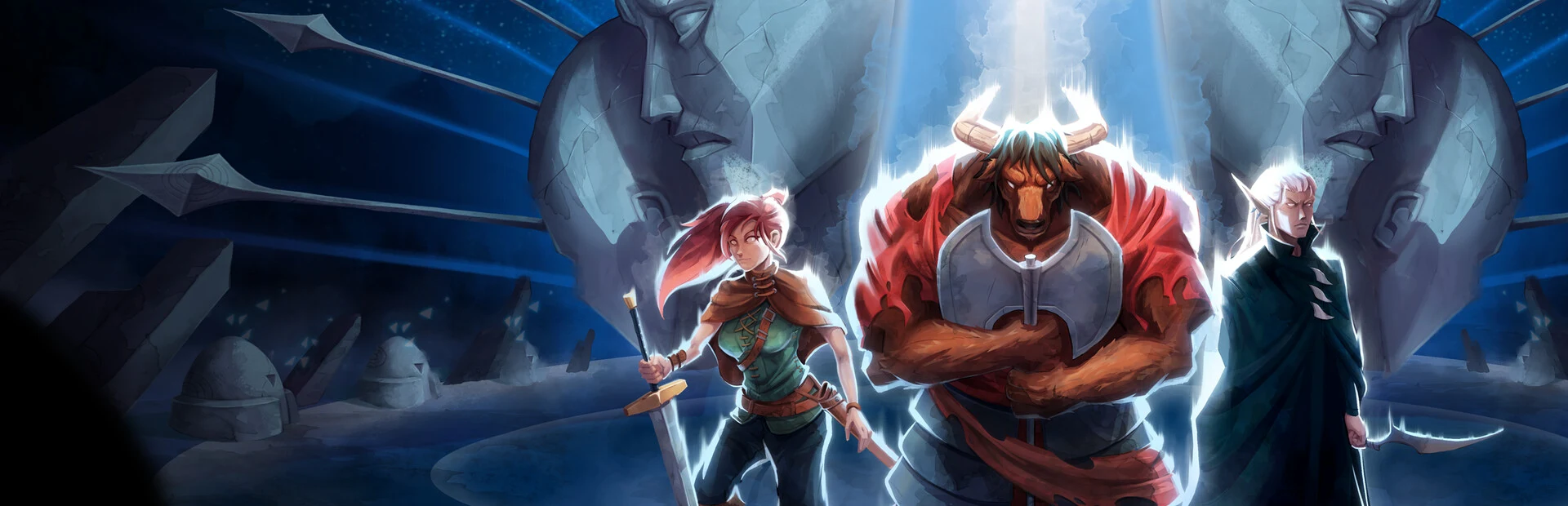
- Dimraeth ps5 status: No official PS5 release has been confirmed in the available information.
- Confirmed platform: Dimraeth is planned for Steam Early Access on September 15, 2026.
- Game format: Expect a pixel-art fantasy RPG for solo play or cooperative groups of up to eight players.
- Core systems: Character creation, classes, races, elemental combat, crafting, quests, and stronghold building.
- Best next step: Follow the official website and Steam page for any future console announcement.
Dimraeth PS5 Platform Status
As of September 7, 2026, the confirmed release information places Dimraeth on Steam, with Early Access planned for September 15, 2026. The available official information does not confirm a native PS5 version, a PlayStation Store listing, or a console launch window.
This means players searching for Dimraeth PS5 should treat console availability as unconfirmed rather than assumed. The game’s current public setup is centered on PC access through Steam, while future platform plans would need to come from Mudtek or an official Dimraeth announcement.
| Platform | Confirmed status | Available timing | What players should know |
|---|---|---|---|
| Steam | Confirmed | September 15, 2026 Early Access | The current release plan is built around Steam access. |
| PS5 | Not confirmed | No official date | No verified PlayStation release information is available. |
| Xbox | Not confirmed | No official date | Avoid treating console speculation as a release announcement. |
| Nintendo Switch | Not confirmed | No official date | No official platform information has been provided. |
Do not rely on unofficial storefront pages, placeholder listings, or search snippets claiming a PS5 version until Mudtek publishes a confirmed announcement.
The safest way to monitor the platform situation is to check the official Dimraeth website and the Dimraeth Steam page. These channels can clarify whether the game remains PC-focused or expands to additional platforms.
What Kind of RPG Is Dimraeth?
Dimraeth is described as a handcrafted pixel-art fantasy RPG designed for solo adventurers and cooperative groups. Its systems combine character progression with action combat, exploration, resource gathering, equipment development, and settlement construction.
The game supports one to eight players, giving players room to build a personal character while also contributing to a shared world. A party can divide responsibilities between frontline combat, damage, spell use, support, gathering, and stronghold development.
Character Progression
- Choose from 8 races
- Select from 6 classes
- Shape attributes, abilities, equipment, and combat roles
Action Combat
- Manage stamina carefully
- Use attacks, dodges, blocks, and parries
- Learn enemy patterns before taking larger risks
World Development
- Explore a handcrafted fantasy world
- Gather materials and craft useful items
- Build and improve a shared stronghold
| System | Main purpose | Practical starting advice |
|---|---|---|
| Races | Define character identity and potential playstyle differences | Choose a race that supports the role you want to practice. |
| Classes | Establish a core combat direction | Start with a focused role instead of spreading progression widely. |
| Archetypes | Refine the character’s intended style | Select complementary options for melee, magic, defense, damage, or support. |
| Combat | Determine how players handle enemies | Keep stamina available for defensive actions. |
| Crafting | Convert resources into equipment and supplies | Gather materials during quests instead of postponing all collection. |
| Stronghold | Provide a base for storage, facilities, and development | Prioritize useful infrastructure before decorative expansion. |
A focused melee, spellcaster, or defensive build is easier to understand than a broad hybrid. Experiment with mixed builds after learning stamina, equipment, and attribute priorities.
Because the game is planned for Early Access, specific class balance, equipment values, and progression details may change during development. Use the current structure as a foundation, but review official updates before treating any ranking as permanent.
Steam Setup and Co-op Preparation
Until a PS5 version is officially announced, Steam is the practical platform for preparing to play Dimraeth. The game is planned to support solo adventuring as well as cooperative worlds with up to eight players.
Co-op progression is easier to manage when the group separates personal character development from shared world development. A character’s build, attributes, and equipment should remain the responsibility of the individual player, while the hosted world should receive coordinated attention for storage, crafting, construction, and major objectives.
Confirm the Official Release Channel
Open the official Steam store page and verify the latest availability information. Avoid third-party pages that present an unconfirmed PS5 release as fact.
Choose a Clear Character Role
Decide whether your first character emphasizes melee damage, spellcasting, durability, ranged pressure, or cooperative support. A focused role makes early attribute and equipment decisions easier.
Assign a World Host
Select the player who will maintain the shared world. The host should keep important settlement structures, storage systems, and common crafting facilities organized.
Divide Party Responsibilities
Give each player a practical job, such as frontline combat, ranged damage, support, gathering, crafting, or construction. Clear roles reduce duplicated effort during longer sessions.
Establish a Shared Progression Routine
Return gathered materials to the base, improve essential facilities, prepare supplies, and coordinate major quests before moving into more demanding areas.
| Co-op role | Main responsibility | Useful focus |
|---|---|---|
| Frontline | Control enemy pressure | Durability, blocking, stamina, close-range timing |
| Damage | Punish safe openings | Offensive attributes, weapons, spells, positioning |
| Support | Improve party stability | Utility, survivability, awareness, safe spacing |
| Gatherer | Maintain material supplies | Exploration, resource collection, inventory organization |
| Builder | Develop shared infrastructure | Storage, crafting stations, farms, quarries, upgrades |
Keep a central storage area and agree on construction priorities before spending rare materials. A shared resource loop supports combat, crafting, cooking, and stronghold growth.
For solo players, the same principles still apply. Choose a build that can survive mistakes, carry useful supplies, and handle both exploration and combat without depending on another character’s specialization.
Combat and Build Priorities
Dimraeth’s combat guidance emphasizes reading enemy behavior instead of attacking continuously. Stamina supports both offense and defense, so spending the entire resource bar on attacks can leave a character unable to dodge, block, or respond to the next threat.
The most reliable early approach is to use short attack sequences, watch enemy warnings, and punish openings after an opponent completes an action. Dodging, blocking, and parrying each serve different purposes, and players should practice them against ordinary enemies before attempting difficult encounters.
| Build direction | Strength | Main risk | Recommended for |
|---|---|---|---|
| Balanced melee | Direct damage with defensive options | Requires close-range timing | New players learning physical combat |
| Spellcaster | Flexible pressure and distance control | Vulnerable when caught at close range | Players who prefer ability management |
| Tank-oriented | Strong survivability and party protection | May clear encounters more slowly | Co-op frontline players |
| Pure damage | High offensive potential | Mistakes are more punishing | Experienced players |
| Support | Improves group flexibility | Less independent damage | Coordinated multiplayer groups |
| Hybrid | Adapts to different situations | Can spread attributes too widely | Players familiar with progression systems |
Before entering a harder area, confirm that your attributes, equipment, stamina habits, and defensive timing all support the same combat plan.
Use these priorities when refining a first build:
- Invest attributes toward the weapons, spells, or defenses you actually use.
- Replace weak equipment when exploration or quests provide better options.
- Keep defensive gear relevant even when building for damage.
- Avoid selecting unrelated abilities simply because they are available.
- Test new equipment in lower-risk encounters before committing to a major fight.
- In co-op, let specialized characters cover each other’s weaknesses.
A useful combat loop is simple: observe, defend, attack during a safe opening, then reset your position. This approach is more dependable than holding an extended combo while an enemy prepares its next attack.
Crafting, Stronghold, and Launch Checklist
Dimraeth connects exploration with crafting and base development. Materials gathered in the world can support equipment, consumables, cooking, farming, construction, and facility upgrades. A stronghold should therefore be treated as part of progression rather than as a purely decorative feature.
The best early order is to establish basic production, organize storage, and then expand into renewable resource systems. This keeps the base useful during longer adventures and reduces the need to repeatedly search for the same supplies.
| Priority | Stronghold focus | Why it matters |
|---|---|---|
| Very High | Storage and basic crafting | Creates an organized foundation for collected materials. |
| Very High | Essential crafting facilities | Converts resources into equipment and progression items. |
| High | Cooking and potion production | Supports preparation before exploration and combat. |
| High | Farming | Creates a repeatable source of useful ingredients. |
| High | Quarry development | Helps maintain construction and crafting materials. |
| Medium | Decorative expansion | Improves the settlement after core functions are covered. |
Dimraeth Preparation Checklist:
- Confirm the latest Steam release information
- Choose a focused race, class, and combat direction
- Practice stamina management, dodging, blocking, and parrying
- Prepare a shared storage and crafting area for co-op
- Follow the official website and Steam community updates
Bookmark the official Dimraeth website and Steam community page so future platform announcements are easy to verify.
The current information supports a Steam-first preparation plan, not a confirmed PS5 purchase plan. If PlayStation support is announced later, check whether the console edition includes the same Early Access timing, multiplayer limits, save behavior, and feature set before assuming parity.
Dimraeth PS5 FAQ
Q: Is Dimraeth available on PS5?
A PS5 version has not been officially confirmed in the available 2026 release information. The confirmed plan is Steam Early Access on September 15, 2026.
Q: What platform is confirmed for Dimraeth?
Steam is the confirmed platform. The game is planned as a pixel-art fantasy RPG with solo play and cooperative support for up to eight players.
Q: Can I play Dimraeth solo?
Yes. Dimraeth is designed for solo play as well as cooperative groups. Solo players should favor focused builds with reliable defense, useful equipment, and manageable resource needs.
Q: How many players can join a Dimraeth world?
The available game information describes support for one to eight players. A group can divide combat, gathering, crafting, and stronghold responsibilities across its members.
If a third-party listing advertises Dimraeth for PS5, verify the claim through the official website, Mudtek announcements, or an official PlayStation Store page before making a purchase.
For the latest confirmed information, use the Dimraeth official website, the Steam store listing, and the official Steam community announcements.