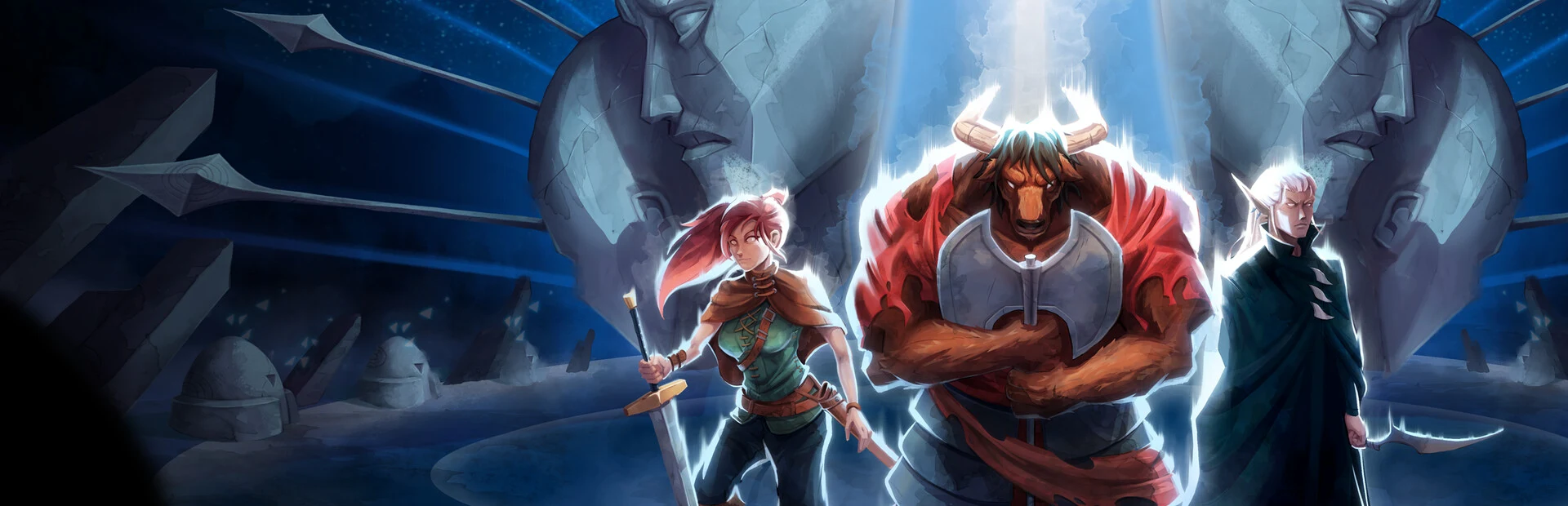
- Dimraeth online co op supports groups of up to eight players in a shared fantasy RPG world.
- Host progression is tied to the world save, while personal character growth follows the individual character.
- Balanced parties should combine frontline defense, damage, ranged or magic pressure, and support utility.
- Shared storage and centralized crafting facilities reduce duplicated work during multiplayer progression.
- Early Access timing is currently planned for September 15, 2026, so systems may continue to change.
Dimraeth Online Co Op Basics
Dimraeth online co op is designed for groups of up to eight players who want to explore, fight, gather resources, complete objectives, and develop a shared settlement. The most important multiplayer distinction is between character progression and world progression. Understanding that difference helps a party decide who should host, where resources should be stored, and how to organize long-term play.
The hosted world acts as the party’s shared campaign space. Structures, settlement development, world changes, and other save-based progress are associated with that world. Individual characters remain important for personal attributes, equipment, combat development, and build decisions.
| Multiplayer Element | How It Works | Best Practice |
|---|---|---|
| Player count | Up to 8 players can cooperate in one world | Assign roles before difficult expeditions |
| Hosted world | The host provides the persistent shared save | Use one primary campaign world |
| Character growth | Personal combat development and gear follow the character | Keep a focused build direction |
| Settlement progress | Buildings and facilities belong to the shared world state | Centralize important infrastructure |
| Resources | Materials support group crafting and construction | Organize storage by purpose |
| Objectives | Players can cooperate on exploration and progression | Communicate before major milestones |
Host
- Maintains the main shared world
- Coordinates settlement priorities
- Keeps the campaign save organized
Frontline
- Controls enemy pressure
- Uses blocking and defensive timing
- Creates openings for the party
Damage
- Focuses on safe attack windows
- Uses melee, ranged, or spell pressure
- Punishes vulnerable enemies
Support
- Improves party stability
- Brings utility and flexible positioning
- Helps manage difficult encounters
Choose one primary world for your campaign and make the host responsible for recording settlement priorities, major objectives, and shared resource needs.
Official details are available through the Dimraeth website and the Dimraeth Steam page.
How to Set Up a Cooperative Campaign
A successful multiplayer campaign starts with a clear setup rather than immediate exploration. Use the following sequence to establish the world, align character roles, and prevent early resources from being scattered across separate inventories.
Select the Primary Host
Choose the player who can maintain the main campaign world consistently. The host should understand that settlement development and other world-based progress are tied to the hosted save. Keep the primary world clearly named and avoid creating unnecessary duplicate campaigns during the opening phase.
Define Party Roles
Decide whether each player will focus on frontline defense, melee damage, ranged pressure, spellcasting, support, or a flexible hybrid role. Roles do not need to be permanent, but a basic division prevents the entire group from relying on the same combat strengths.
Create a Shared Storage Plan
Reserve central storage for construction materials, crafting ingredients, food, potions, and equipment intended for group use. Ask players to return excess materials to the shared base instead of keeping every resource in personal inventories.
Set Early Objectives
Agree on a short list of priorities, such as establishing a base, unlocking essential crafting facilities, collecting dependable equipment, or preparing for a difficult area. This keeps exploration connected to the party’s progression needs.
Review Progress Before Major Fights
Before entering a demanding encounter, check equipment, stamina habits, available consumables, and party positioning. A short preparation pause is usually more efficient than repeating an expedition after an avoidable defeat.
| Setup Priority | Recommended Action | Why It Matters |
|---|---|---|
| World ownership | Select one primary host | Keeps shared progress in one campaign |
| Party roles | Assign complementary responsibilities | Covers offense, defense, and utility |
| Storage | Build a central resource system | Prevents duplicated gathering |
| Base location | Establish a practical home area | Supports crafting and future expeditions |
| Communication | Confirm objectives before departure | Reduces conflicting progression |
Do not assume that every completed objective or placed structure will transfer between separate hosted worlds. Treat the primary host save as the party’s main campaign record.
Party Roles and Combat Coordination
Dimraeth’s combat systems emphasize attacking during safe openings, managing stamina, dodging, blocking, parrying, and reading enemy warnings. Multiplayer makes these mechanics more forgiving when players coordinate, but poor positioning can still cause the whole group to waste stamina or lose control of an encounter.
A frontline character should attract pressure and create space without spending every defensive resource at once. Damage-focused players should attack after enemy actions are committed rather than interrupting the frontline’s control. Spellcasters and ranged characters can use distance to maintain pressure, while support-oriented players should prioritize survival and team awareness.
| Role | Primary Job | Combat Priorities | Common Risk |
|---|---|---|---|
| Frontline defender | Control pressure and protect allies | Blocking, dodging, stamina control | Holding attention without a retreat plan |
| Melee damage | Punish close-range openings | Attack timing, parries, repositioning | Overcommitting to long combos |
| Ranged damage | Maintain pressure from safer positions | Distance, target selection, movement | Standing still during enemy advances |
| Spellcaster | Apply ability-based damage or utility | Spell sequencing, positioning, resource use | Casting while under close pressure |
| Support | Improve party stability | Survival, utility, team awareness | Chasing damage instead of helping the group |
| Hybrid | Fill gaps between roles | Focused flexibility | Spreading attributes too widely |
Defensive Formation
Keep the durable character nearest to major threats. Other players should remain far enough away to react to attacks and avoid stacking in the same danger zone.
Punish Windows
Wait for an enemy to finish a committed attack before using a longer damage sequence. Shorter attacks are safer when the pattern is unfamiliar.
Resource Discipline
Stamina supports both offense and defense. Players should avoid exhausting themselves simultaneously, especially before a boss attack or enemy combination.
The strongest party is not necessarily the one with the highest damage. A group that preserves stamina, watches enemy patterns, and leaves room for defensive reactions can progress more consistently.
The official Steam Community hub is the best place to check later multiplayer discussions and development announcements as the game changes during 2026 Early Access development.
Shared Resources, Crafting, and Base Building
Cooperative progression becomes easier when the party treats the settlement as a shared production center. Exploration supplies raw materials, while crafting stations, cooking, potion production, farming, quarries, and storage convert those materials into repeatable support for future expeditions.
Build essential facilities before investing heavily in optional expansion. The exact order may change as development continues, but the underlying principle remains useful: establish production, secure storage, then improve the resource loop.
| System | Main Function | Multiplayer Priority |
|---|---|---|
| Resource gathering | Supplies raw materials for construction and crafting | Very High |
| Basic crafting | Converts materials into usable items | Very High |
| Crafting facilities | Unlocks dedicated production functions | Very High |
| Cooking | Produces food for extended adventures | High |
| Potion production | Supports preparation for difficult fights | High |
| Farming | Creates repeatable ingredient supplies | High |
| Quarry | Supports recurring construction materials | High |
| Storage | Keeps group resources organized | Very High |
| Settlement upgrades | Expands access to production and progression | Medium to High |
Shared Base Goals:
- Choose a central location for the party base
- Create organized storage for materials and consumables
- Build essential crafting facilities before cosmetic expansion
- Maintain food and potion supplies before difficult expeditions
- Assign gathering and construction responsibilities
Use simple storage categories such as construction, crafting, food, potions, and equipment. This allows every player to understand where materials belong and makes it easier to identify shortages before the next journey.
A shared resource loop works best when players gather during normal exploration, return materials to the base, process them into supplies, and reinvest surplus resources into facilities or upgrades.
Co-Op Progression Checklist and Common Mistakes
Multiplayer groups often lose time through unclear ownership, duplicated effort, or poorly timed combat. The following priorities help keep a campaign stable while leaving room for players to experiment with races, classes, Archetypes, equipment, and spell choices.
| Mistake | Result | Better Approach |
|---|---|---|
| Starting several unrelated worlds | Progress becomes divided | Maintain one primary campaign save |
| Everyone choosing the same role | Limited combat flexibility | Mix defense, damage, magic, and support |
| Keeping all materials personally | Crafting shortages at the base | Deposit surplus resources centrally |
| Spending stamina on every attack | No defensive response available | Stop attacking before stamina is empty |
| Rushing difficult areas | Repeated defeats and lost time | Prepare equipment and consumables first |
| Building only for appearance | Core production is delayed | Establish useful facilities first |
| Splitting the party without a plan | Objectives and resources become disconnected | Set a meeting point and return time |
Follow this practical campaign routine:
- Start each session by checking the shared base and storage.
- Confirm whether the group is gathering, questing, exploring, or fighting.
- Divide resources according to the next shared objective.
- Keep at least one player ready to respond defensively during combat.
- Return to the settlement before beginning another high-risk expedition.
- Review the party’s builds if a role is consistently failing to perform its intended job.
Before logging out, return valuable shared materials to the main base and tell the host what the party planned to accomplish next. This reduces confusion in the following session.
The game is currently planned to enter Steam Early Access on September 15, 2026. Because Dimraeth is still in active development, verify major system changes through the official Steam news page before treating older strategies as current.
Dimraeth Online Co Op FAQ
Q: How many players can join Dimraeth online co op?
Dimraeth supports cooperative groups of up to eight players. A party can explore, fight, gather resources, complete objectives, and develop a shared settlement together.
Q: What is the difference between character and world progression?
Character progression is associated with the individual character, including personal combat development, attributes, and equipped gear. World progression belongs to the hosted save and includes settlement development, placed structures, and other world-based changes.
Q: Should a co-op party use one main host?
Yes. Using one primary campaign world makes it easier to preserve settlement progress, organize shared storage, and keep the party aligned around the same objectives.
Q: What roles work well together in multiplayer?
A balanced group can combine a frontline defender, melee or ranged damage, a spell-focused character, and a support-oriented player. Flexible hybrids can fill gaps, but spreading progression across too many unrelated mechanics may reduce efficiency.
Start with one shared world, assign complementary roles, centralize crafting resources, and treat every difficult encounter as a coordination challenge rather than a damage race.