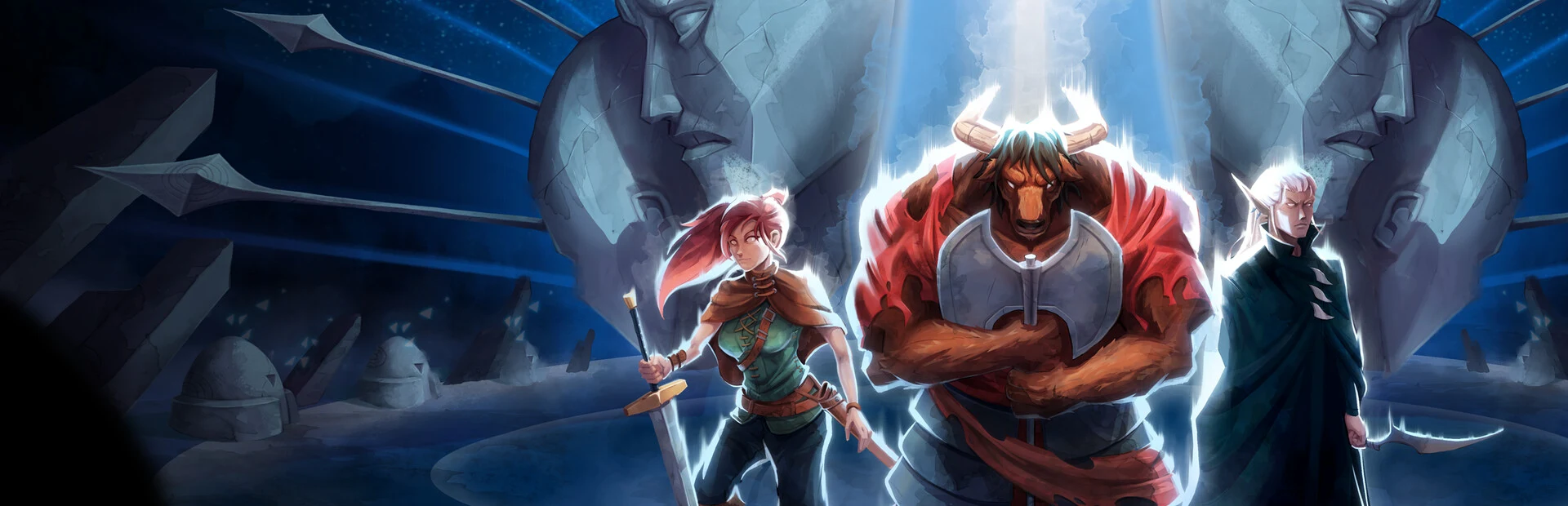
- Dimraeth multiplayer supports cooperative worlds for up to eight players.
- Host progression is tied to the shared world, including settlement structures and world changes.
- Character progression follows individual characters, attributes, equipment, and combat development.
- Best party setup combines frontline defense, damage, magic, and cooperative utility.
- Stronghold planning works best when storage, crafting, farming, and construction are centralized.
Dimraeth Multiplayer Basics
Dimraeth multiplayer is built around cooperative worlds for groups of up to eight players. One player hosts the world, while other players join that session to explore, fight enemies, gather materials, complete objectives, and develop a shared settlement.
The most important distinction is between character progression and world progression. Character choices such as attributes, combat development, and equipped gear are associated with the individual character. World-specific changes, including settlement development and placed structures, remain connected to the hosted save.
| Multiplayer Element | How It Works | Recommended Approach |
|---|---|---|
| Player count | Up to 8 players in one cooperative world | Assign roles before entering difficult areas |
| Host world | The host controls the persistent world state | Choose a reliable host for long campaigns |
| Character progress | Follows the individual character | Build around a clear combat role |
| World progress | Tied to the hosted save | Keep major construction in one shared world |
| Shared activities | Exploration, combat, gathering, quests, and building | Coordinate objectives before splitting up |
Host World
The hosted save contains shared world development, settlement structures, and other changes made during the cooperative campaign.
Personal Character
Each player develops a character through attributes, equipment, skills, spells, and a selected combat direction.
Shared Campaign
The party can combine exploration, combat, crafting, quest progress, and base building into one cooperative progression loop.
Choose the player with the most consistent availability as host. A stable host world makes it easier to preserve settlement layouts, crafting infrastructure, and shared campaign progress.
Dimraeth Multiplayer Setup Steps
A successful co-op campaign begins with a simple division of responsibilities. Before the first major expedition, decide who hosts the world, how players will specialize, and where shared materials will be stored.
Choose the Host World
Select the player who will maintain the main cooperative save. The host world stores shared settlement development and world-specific progress, so avoid creating multiple competing bases unless the group has a clear reason to do so.
Create Complementary Characters
Build characters around different roles instead of duplicating the same strengths. A party with frontline defense, direct damage, magic, and support options has more flexibility than a group focused on one combat style.
Set a Shared Base Location
Establish one central settlement for storage, crafting, cooking, farming, and future upgrades. A shared hub reduces duplicated work and gives the group a reliable return point after exploration.
Agree on Resource Ownership
Decide which materials are communal and which are reserved for personal equipment. Place important resources into organized shared storage before beginning major construction or crafting projects.
Coordinate Quest Objectives
Confirm the party's next objective before completing major tasks. This helps players remain close in world progression and reduces the chance that someone misses an important activity.
| Setup Decision | Why It Matters | Good Default |
|---|---|---|
| Host selection | Determines where shared world progress is stored | Use the most available player |
| Party roles | Prevents overlapping weaknesses | Mix defense, damage, magic, and support |
| Base location | Creates a stable campaign hub | Centralize essential facilities |
| Storage rules | Prevents crafting delays | Separate shared and personal materials |
| Quest order | Keeps the party synchronized | Complete major objectives together |
A character may be used across different sessions, but settlement structures and other world-specific changes remain associated with the hosted save. Confirm the active host before investing heavily in construction.
Party Roles and Combat Coordination
Multiplayer combat becomes easier when each player understands the party's immediate needs. The goal is not to force every character into a rigid class, but to make sure the group has enough survivability, pressure, range, and utility for the encounter.
A frontline character can control enemy attention and create openings. Damage-focused players should capitalize on those openings without exhausting their defensive resources. Spell-focused characters can apply pressure from safer positions, while support-oriented builds improve the party's stability during extended fights.
| Party Role | Main Responsibility | Useful Priorities |
|---|---|---|
| Frontline | Control pressure and stay engaged | Durability, blocking, stamina, close-range defense |
| Damage | Punish openings and finish targets | Offensive attributes, reliable weapons, timing |
| Spellcaster | Apply ranged or ability-based pressure | Spell access, positioning, ability sequencing |
| Support | Improve group stability and flexibility | Support abilities, survivability, awareness |
| Flexible hybrid | Cover gaps when party size changes | Complementary tools, focused secondary role |
Frontline
Stay near threats, manage stamina, and create safe attack windows for the rest of the party.
Damage
Focus on controlled bursts during enemy openings instead of attacking continuously through danger.
Spellcaster
Maintain useful distance and select spells that support the encounter rather than filling slots randomly.
Support
Protect the party's consistency through utility, positioning, and a durable cooperative setup.
For difficult encounters, use a short observation phase before committing to an aggressive plan. Watch enemy attack warnings, identify delays, and communicate when a target is vulnerable. Players should preserve enough stamina for defensive actions rather than spending every resource on attacks.
In smaller groups, hybrid builds can cover missing roles, but broad investment may reduce efficiency. Keep the main role clear and add only complementary tools. For example, a damage character can carry a defensive option without becoming a full tank, while a spellcaster can maintain a close-range backup without splitting the entire build.
Prioritize reliable survival over maximum individual damage. A coordinated party that preserves stamina and shares enemy pressure can progress more consistently than four characters competing for the same attack window.
Shared Resources, Crafting, and Stronghold Planning
The shared stronghold is the foundation of a long Dimraeth multiplayer campaign. Exploration produces raw materials, while the base converts those materials into equipment, food, potions, construction resources, and future production capacity.
Start with essential facilities before spending heavily on optional expansion. The party should be able to process resources, prepare for combat, and store materials efficiently before investing in cosmetic or lower-priority improvements.
| System | Cooperative Function | Priority |
|---|---|---|
| Resource gathering | Supplies construction, crafting, and consumables | Very High |
| Basic crafting | Converts raw materials into useful items | Very High |
| Crafting facilities | Unlocks dedicated production functions | Very High |
| Potion crafting | Supports preparation for difficult encounters | High |
| Cooking | Creates food for longer expeditions | High |
| Farming | Provides repeatable ingredient production | High |
| Quarry | Supports recurring construction materials | High |
| Settlement upgrades | Expands access to production and progression | Medium to High |
| Organized storage | Keeps shared materials easy to locate | Very High |
A practical co-op resource loop looks like this:
- Gather materials while completing quests and exploring.
- Return to the shared stronghold after an expedition.
- Sort resources into communal storage and personal equipment supplies.
- Craft essential equipment, food, potions, or construction materials.
- Reinvest surplus resources into facilities that improve future production.
Centralize the facilities that benefit the entire party. Farming, quarrying, cooking, crafting stations, and organized storage are more valuable when every player can use the same settlement infrastructure.
Avoid scattering important crafting stations across several temporary locations unless the group has a specific logistical plan. A compact base makes it easier to prepare before quests, compare equipment, assign materials, and recover after difficult combat.
| Base Task | Suggested Owner | Completion Goal |
|---|---|---|
| Storage organization | Any detail-focused player | Separate materials by crafting purpose |
| Farming | Resource-focused player | Maintain a repeatable ingredient supply |
| Quarry development | Builder or gatherer | Support future construction demand |
| Cooking and potions | Support-oriented player | Prepare supplies before expeditions |
| Construction planning | Host or settlement lead | Keep upgrades aligned with party needs |
Multiplayer Checklist for a New Campaign
Use this checklist before committing to a long cooperative session. It covers the most common preparation points for a new shared world, a returning party, or a group adding a new player.
Co-op Preparation Checklist:
- Confirm which player is hosting the main world
- Choose complementary combat roles for the current party
- Establish shared storage and label key resource groups
- Build essential crafting, cooking, and preparation facilities
- Agree on the next quest or exploration objective
- Check equipment, attributes, stamina tools, and consumable supplies
- Decide which materials are communal before starting construction
- Tell the party before completing major world objectives
| Before an Expedition | Check |
|---|---|
| Party composition | Frontline, damage, magic, or support coverage |
| Equipment | Gear supports each character's current role |
| Supplies | Food, potions, and crafting materials are available |
| Objective | Everyone knows the destination and goal |
| Return plan | The party knows when to regroup at the stronghold |
Begin each session with a short party briefing: confirm the host, review the shared objective, assign gathering needs, and identify which player will lead the next combat area.
Q: How many players can join Dimraeth multiplayer?
Dimraeth supports cooperative worlds for up to eight players. The group can explore, fight, gather resources, complete objectives, and develop a shared settlement together.
Q: Does character progress carry separately from the host world?
Character-based development follows the individual character, including attributes, combat development, and equipped gear. World-specific progress, such as settlement structures and changes to the hosted save, remains connected to that world.
Q: What is the best party setup for Dimraeth multiplayer?
A balanced group usually benefits from a frontline character, one or more damage-focused characters, a spellcaster or ranged option, and a support-oriented build. Smaller parties can use hybrid builds to cover missing roles.
Q: Should co-op players build one shared base?
A central shared base is generally the most practical approach. Storage, crafting stations, farming, quarrying, cooking, and potion production become easier to manage when the party develops them together.
Best Multiplayer Habits for Long Campaigns
The strongest Dimraeth multiplayer groups treat the campaign as a shared system rather than four or eight separate solo characters. Clear communication, focused builds, organized resources, and consistent host selection reduce wasted effort.
Keep major objectives synchronized, especially when they may affect the hosted world. Give every player a useful role outside combat as well: gathering, storage management, cooking, farming, construction, and preparation all contribute to the party's long-term progress.
| Habit | Benefit |
|---|---|
| Use one dependable host | Preserves shared world continuity |
| Specialize without overcommitting | Gives each player a clear purpose |
| Share expedition goals | Keeps quest and world progress aligned |
| Centralize production | Reduces duplicated crafting effort |
| Communicate before major upgrades | Prevents wasted rare materials |
| Review roles when the party changes | Keeps smaller or larger groups balanced |
Build the campaign around a dependable host, a shared stronghold, complementary combat roles, and clear resource rules. This structure gives Dimraeth multiplayer groups a flexible foundation for exploration and progression throughout 2026.